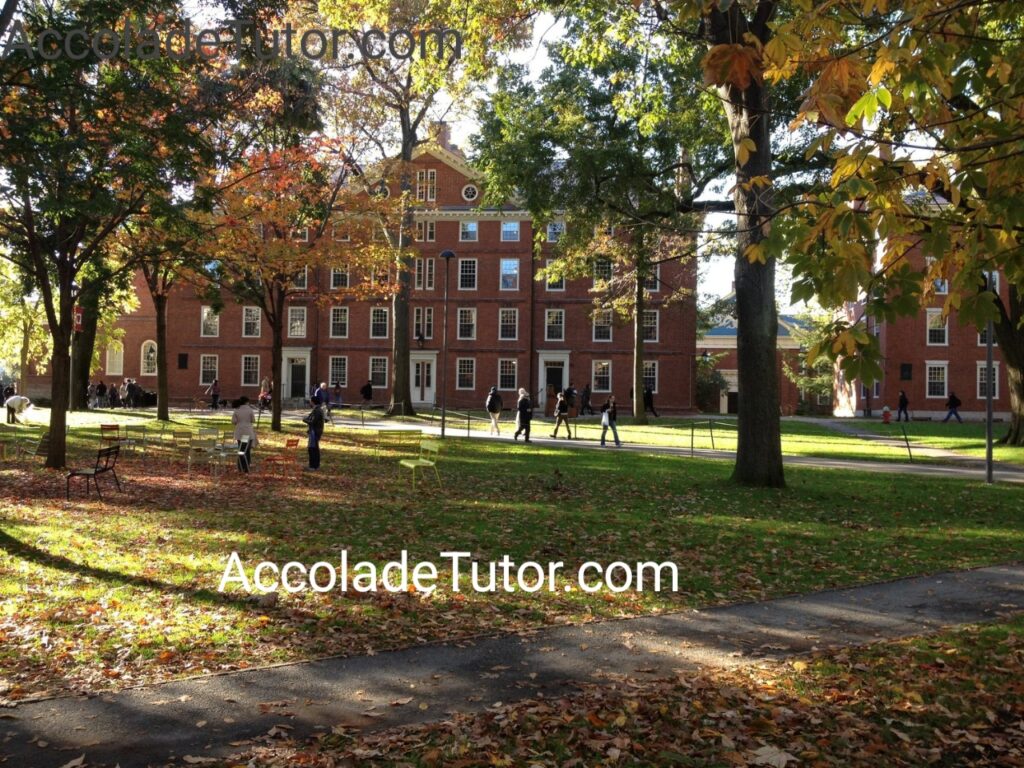
However, life at Harvard University is structured quite differently.
The university has a long, fascinating relationship with fraternities—one that has evolved significantly over time.
Whether you’re a prospective student, parent, or simply curious about student life in Cambridge, this guide explores the origins,
current status, student experiences, and alternatives to fraternities at Harvard. We’ll also point you to helpful academic support
resources and official contacts for further guidance.
The Historical Roots of Harvard University Fraternities
Fraternities were once a visible part of Harvard’s undergraduate life. In the 19th and early 20th centuries,
several Greek-letter organizations established chapters at Harvard College. These groups operated much like fraternities at
other Ivy League schools, offering social networking, alumni connections, and exclusive membership.
Over time, however, Harvard’s social system shifted. The introduction of the residential “House” system in the 1930s
dramatically changed student social organization. Inspired by the collegiate model of
Oxford University and
University of Cambridge,
Harvard created a structured residential experience that reduced the central role of fraternities.
As a result, many traditional Greek-letter organizations gradually faded from campus prominence.
Are There Official Harvard University Fraternities Today?
Unlike many American universities, Harvard does not officially recognize fraternities and sororities in the same way that
large public institutions do. Today, most Greek organizations associated with Harvard operate independently and
are not formally affiliated with the university administration.
This distinction is important. While some Harvard students may join fraternities in nearby institutions
or participate in unrecognized single-gender social organizations, Harvard itself emphasizes inclusivity,
diversity, and residential community engagement through its House system.
Understanding Harvard’s Final Clubs
Instead of traditional Greek fraternities, Harvard is more widely known for its “Final Clubs.”
These are exclusive social clubs with long-standing traditions and alumni networks.
Though often compared to fraternities, they are structurally and culturally distinct.
Final Clubs are single-gender organizations that operate privately. Over the years,
they have sparked debate regarding exclusivity and campus culture.
The university has implemented policies to encourage inclusivity and discourage discriminatory practices.
Why Harvard’s Social Structure Is Different
The core reason harvard university fraternities are less central lies in the House system.
Every undergraduate student is assigned to one of twelve residential Houses after their first year.
These Houses serve as communities for dining, academic support, intramural sports, and social events.
This system reduces the need for fraternities as the primary social hub. Students often build lifelong
friendships and networks within their assigned House.

Pros and Cons of Fraternities at Harvard
Potential Advantages
- Networking Opportunities: Alumni connections can be powerful and influential.
- Social Community: Members often form tight-knit friendships.
- Leadership Roles: Students gain experience in organizing events and managing organizations.
Potential Challenges
- Limited Official Recognition: Many operate independently of Harvard.
- Exclusivity Concerns: Membership processes can be selective.
- Policy Restrictions: Harvard has historically discouraged participation in certain single-gender organizations.
Alternative Student Organizations at Harvard
Students who are exploring harvard university fraternities often discover that Harvard offers hundreds
of officially recognized student organizations that provide similar benefits—without the controversies.
- Academic and pre-professional clubs
- Cultural and identity-based groups
- Public service organizations
- Entrepreneurship and innovation societies
- Performing arts groups
Many students find these organizations equally fulfilling and more aligned with Harvard’s inclusive culture.

How Fraternity Life Compares to Other Ivy League Schools
Compared to institutions like
Yale University
or
University of Pennsylvania,
Harvard maintains a uniquely structured social system.
While Greek life exists in varying degrees across the Ivy League, Harvard’s residential model significantly reduces
reliance on fraternities as a central student experience.
Academic Support Matters More Than Social Status
For many students considering elite universities, academic preparation should remain the top priority.
Social organizations are secondary to academic excellence.
If you’re preparing for competitive admissions, explore helpful resources like:
Harvard University Waitlist 2026 – What You Should Know
Harvard University Hockey Roster 2026 Insights
Harvard University Greek Life Explained
These internal resources provide deeper context about admissions, student life, and extracurricular balance.
Should You Join a Fraternity at Harvard?
Deciding whether to pursue harvard university fraternities depends on your personal goals.
Consider asking yourself:
- Are you looking primarily for networking or community?
- Do you value structured inclusivity over exclusivity?
- Would you prefer House-based social engagement?
Harvard’s environment encourages broad participation across campus activities rather than concentration in a single
social structure.

Policy Changes and Inclusivity
In recent years, Harvard introduced policies aimed at limiting participation in unrecognized single-gender organizations.
These policies sparked national discussions about freedom of association versus institutional values.
While policies have evolved, the overarching theme remains clear: Harvard prioritizes inclusion and community-based engagement.
Life After Harvard: Does Fraternity Membership Matter?
Harvard alumni networks are powerful regardless of fraternity involvement. The Harvard name itself carries
global recognition, often outweighing affiliation with any specific social club.
Professional success from Harvard graduates typically stems from:
- Academic excellence
- Internships and research
- Entrepreneurial initiatives
- Leadership in campus-wide organizations
Personalized Guidance and Enquiries
If you need tailored advice about Harvard admissions, campus life, or choosing the right extracurricular path,
you can reach out directly via WhatsApp:
+1 (734) 366-3749.
This official number is available for personalized academic and university guidance.
Final Thoughts on Harvard University Fraternities
The conversation around harvard university fraternities is nuanced. While traditional Greek life
exists in limited and independent forms, Harvard’s distinctive House system defines student experience more than
fraternities ever could.
Students seeking belonging will find countless pathways—academic societies, cultural organizations,
athletics, entrepreneurship, and residential communities. Harvard’s ecosystem encourages broad engagement
rather than exclusive affiliation.
Ultimately, the most rewarding Harvard journey is shaped not by a single social label,
but by how fully you immerse yourself in intellectual growth, collaboration, and leadership opportunities.