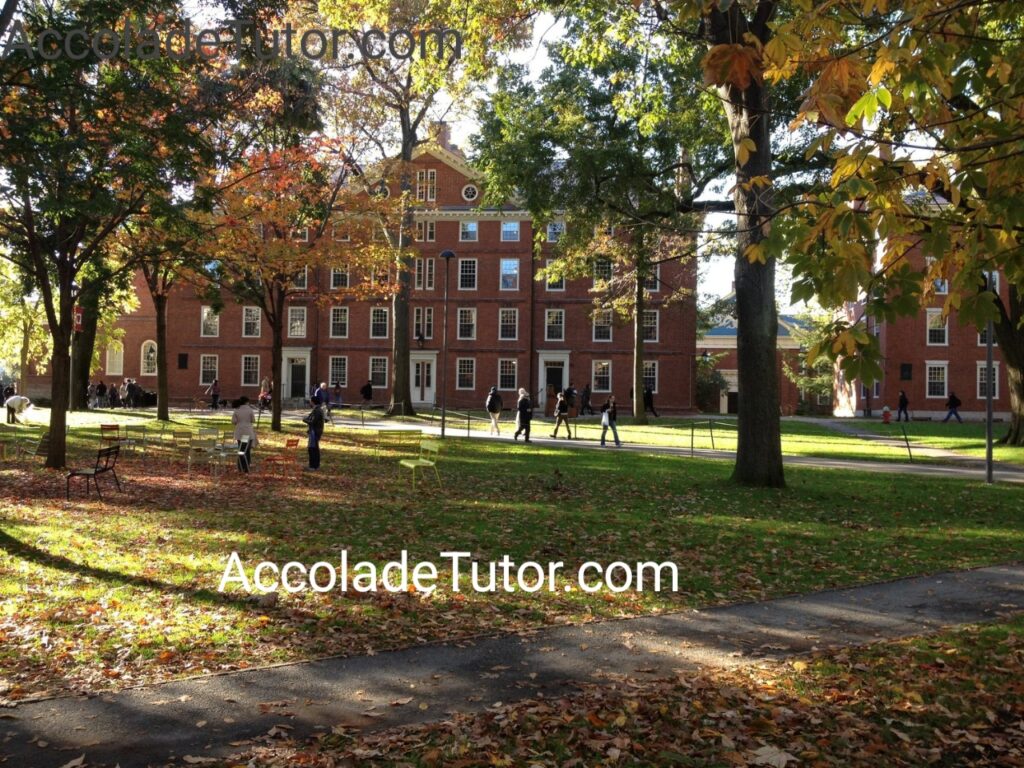
The Stanford University Arboretum is more than just a stretch of beautiful greenery – it is one of the oldest and most meaningful landscapes in the entire Stanford campus. For visitors, students, researchers, and nature lovers, the arboretum represents a rare blend of history, horticulture, and peaceful outdoor exploration. If you’re searching for a lead that reveals the beauty, purpose, and experiences within the Stanford University Arboretum, this value-packed article covers everything you need to know.
From its founding vision by Leland and Jane Stanford to the vast plant collections that thrive today, this tranquil outdoor space offers a unique connection to the university’s past and a refreshing escape from modern academic life. Whether you’re planning a visit or simply exploring famous landmarks of the campus, understanding the arboretum’s significance enriches the entire Stanford experience.

What Is the Stanford University Arboretum?
The Stanford University Arboretum is a 125-acre historic landscape located on the Stanford campus in California. Originally designed as part of the university’s master plan, the arboretum was intended to showcase both native and exotic tree species from around the world. Over time, it has grown into a living museum of botanical diversity, housing hundreds of plant varieties that continue to evolve through restoration and conservation efforts.
The arboretum stretches across large scenic areas near Palm Drive, the Oval, and the Stanford Mausoleum. Its winding paths, lush groves, and quiet sitting spots make it a popular retreat for walking, jogging, birdwatching, and simply relaxing in nature.
A Look Into the Arboretum’s Historical Roots
The story of the Stanford University Arboretum is deeply tied to the founding of the university itself. Leland and Jane Stanford envisioned a campus that blended academic excellence with meaningful natural spaces. In the late 19th century, landscape architect Frederick Law Olmsted – known for designing Central Park – collaborated with the Stanfords to craft a campus plan that featured grand outdoor spaces as integral components.
The arboretum was designed not only as a botanical collection but also as an emotional landscape of remembrance. It surrounds the Stanford Mausoleum, the resting place of the Stanford family, making the space spiritually and historically significant.
Why the Stanford University Arboretum Is Truly Special
Many universities have arboretums, but Stanford’s stands out for several reasons:
- Historic preservation – Many trees date back over 100 years, representing some of the earliest plantings on campus.
- Ecological diversity – The arboretum includes species from Australia, Asia, and Europe, along with native California plants.
- Cultural importance – Events, memorials, and campus traditions connect directly to this space.
- Recreational value – Miles of shaded paths make it ideal for outdoor activities.
While the arboretum has experienced challenges – such as droughts and gradual loss of certain species – restoration programs continue to strengthen its ecological value.
Plant Collections and Notable Species
The first plantings in the Stanford University Arboretum were intended to expose students to a world of botanical diversity. Today, visitors can find famous species such as:
- Eucalyptus groves – Planted in the 1880s, these towering giants create some of the most recognizable scenery on campus.
- California oaks – Native coast live oaks are essential to the region’s natural ecosystem and remain protected.
- Conifers and pines – Various pines from Asia and Europe stand beside native species.
- Rare ornamental trees – Including the cork oak, gingko, and Chilean wine palm.

Biodiversity is one of the arboretum’s most celebrated features, making it a popular destination for plant scientists, photographers, and anyone curious about global flora.
Attractions and Areas to Explore Within the Arboretum
The Stanford University Arboretum is full of iconic spots, each offering its own atmosphere and history. Some of the areas worth exploring include:
Palm Drive
This grand entrance to the university, lined with rows of stately palm trees, leads directly through the arboretum toward the Main Quad. It is one of the most photographed areas of the university, symbolizing Stanford’s elegance and heritage.
The Stanford Mausoleum
The resting place of the Stanford family lies within the arboretum. The mausoleum is a serene architectural piece that adds historical and emotional depth to the landscape. Each year, during Halloween season, the Mausoleum Party is hosted near this location.
Cactus Garden
Known officially as the Arizona Garden, the cactus garden was restored to reflect its original 1880s design. It features unique desert plants and succulents arranged in artistic Victorian patterns.
Wildlife Viewing Spots
Birdwatchers and wildlife enthusiasts frequent the arboretum’s quiet corners, where owls, hawks, finches, and squirrels are commonly seen.
Activities You Can Enjoy at the Stanford University Arboretum
Whether you’re visiting for a few minutes or planning a full afternoon, the arboretum offers numerous enjoyable activities:
- Walking and jogging – Scenic paths make it a calm and beautiful place for exercise.
- Photography – From historic architecture to natural landscapes, it provides a rich backdrop for photos.
- Botanical learning – Students and researchers often use the arboretum as an outdoor classroom.
- Relaxation and meditation – A perfect spot for reading or quiet reflection.
Tips for Visiting the Stanford University Arboretum
If you plan to visit, keep these helpful tips in mind:
- Wear comfortable shoes – There are many unpaved paths.
- Visit during early morning or late afternoon – The lighting and temperatures are ideal.
- Bring water – Especially during warm California days.
- Respect wildlife – Avoid feeding animals or disturbing nesting areas.
- Check campus maps – To navigate easily between the arboretum and nearby landmarks.
The Arboretum’s Role in Sustainability and Conservation
As environmental concerns grow globally, Stanford continues to strengthen the arboretum’s ecological role. Modern conservation efforts focus on:

- Increasing native plant populations
- Managing invasive species
- Maintaining soil health and water efficiency
- Preserving historic trees
These initiatives help maintain the arboretum’s long-term health, ensuring that future generations can enjoy its serene and educational environment.
Why the Stanford University Arboretum Matters to Students and Visitors
Many students describe the arboretum as a “mental reset space.” Between demanding coursework and fast-paced technology life, the natural environment offers an essential balance. Visitors, on the other hand, appreciate its blend of beauty and history, making it a top destination during campus tours.
From providing research opportunities to serving as a daily wellness escape, the stanford university arboretum plays a meaningful role in campus life.
Nearby Attractions Worth Exploring
The arboretum’s location places it close to several notable Stanford attractions, including:
- Stanford Visitor Center – Great for first-time visitors.
- The Main Quad – For an in-depth architectural and academic experience.
- Cantor Arts Center – A renowned art museum with free admission.
For internal referencing, you may also check related Stanford content such as:
Final Thoughts
The Stanford University Arboretum remains one of the most peaceful, historically significant, and visually stunning places on campus. Its century-old trees, diverse botanical collections, and quiet walking paths all contribute to an atmosphere that blends education, nature, and tradition. Whether you’re exploring campus landmarks, planning an educational trip, or simply craving a relaxing outdoor environment, the arboretum offers an unforgettable experience.
As Stanford continues expanding its sustainability programs and restoring its historic landscapes, the arboretum stands as a living reminder of the founders’ original vision – a place where knowledge and nature coexist harmoniously.
If you enjoyed this guide and want to discover more about Stanford’s iconic spaces, feel free to explore additional resources on campus architecture, student life, and outdoor attractions.