Yale University, located in New Haven, Connecticut, is a member of the Ivy League and one of the most selective institutions in the world. With such prestige often comes confusion, assumptions, and misinformation. The Common Data Set cuts through that noise by offering verifiable numbers that explain how Yale operates and whom it admits.
What Is the Common Data Set and Why It Matters
The Common Data Set (CDS) is a standardized reporting format used by thousands of colleges and universities across the United States. Its purpose is simple: ensure consistency and accuracy in how schools share institutional data. Because all participating institutions use the same structure and definitions, comparisons become more meaningful.
For Yale, the Common Data Set acts as an official snapshot of the university’s academic profile and admissions priorities. It answers questions that brochures often avoid, such as:
- How many students actually apply and get admitted?
- Which high school factors carry the most weight?
- What percentage of students receive financial aid?
- How much does attendance truly cost?
Guidance counselors frequently rely on this dataset to advise students realistically. Families use it to plan financially, while applicants study it to better align their applications with Yale’s expectations.
Admissions Insights from the Yale University Common Data Set
One of the most examined sections of the Yale University Common Data Set is admissions. It reveals how competitive the process truly is and what Yale values most in applicants.
Application Volume and Selectivity
Yale receives tens of thousands of applications each year, yet admits only a small fraction. The acceptance rate consistently falls in the single digits, highlighting just how selective the institution remains. These figures help applicants understand that strong grades alone are not enough.
Factors Considered in Admission Decisions
The dataset clearly categorizes admissions criteria as “Very Important,” “Important,” “Considered,” or “Not Considered.” At Yale, the most heavily weighted factors include:
- Academic rigor of high school curriculum
- High school GPA
- Application essays
- Teacher and counselor recommendations
- Extracurricular involvement
Standardized test scores may be listed as considered or optional, depending on the admissions cycle. This structured breakdown is invaluable for students shaping their academic and extracurricular strategies.
Enrollment and Student Demographics
The Common Data Set also provides insight into who actually attends Yale after being admitted. Enrollment figures go beyond raw numbers to show diversity, geographic representation, and gender balance.
Undergraduate and Graduate Enrollment
Yale maintains a relatively small undergraduate population compared to many large public universities. This intentional size supports close faculty-student interaction and smaller class experiences. The dataset outlines:
- Total undergraduate enrollment
- Graduate and professional student counts
- Full-time versus part-time students
Diversity and Representation
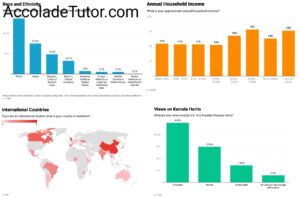
While protecting individual privacy, the Yale University Common Data Set shares aggregated demographic information, including domestic and international student percentages. These figures highlight Yale’s global reach and commitment to enrolling students from a wide range of backgrounds.
Academic Life and Faculty Engagement
Another powerful section of the dataset focuses on instruction and faculty. These numbers reveal how learning actually happens on campus.
Class Sizes
Yale reports a high percentage of classes with fewer than 20 students. This confirms the university’s emphasis on discussion-based learning rather than lecture-heavy instruction. Smaller class sizes often translate to more mentorship, deeper engagement, and stronger academic relationships.
Faculty Credentials
The Common Data Set lists the proportion of faculty holding terminal degrees in their fields. At Yale, this percentage is exceptionally high, reflecting the university’s research-driven culture and academic rigor.
Such transparency allows students to evaluate whether Yale’s learning environment matches their academic preferences.
Cost of Attendance and Financial Aid Transparency
Cost is often a major concern for families considering elite private universities. The Yale University Common Data Set provides a detailed breakdown of expenses, replacing speculation with facts.
Tuition and Fees
The dataset outlines annual tuition, required fees, housing, meals, and estimated personal expenses. While Yale’s sticker price is high, these numbers represent the starting point, not the final cost for most students.
Financial Aid Availability
Yale is well known for its need-based financial aid program. The Common Data Set reveals:
- Percentage of students receiving financial aid
- Average need-based grant amounts
- Number of students receiving institutional scholarships
Importantly, Yale practices a need-blind admissions policy for U.S. students and meets 100% of demonstrated financial need. These facts, presented clearly in the dataset, help families assess affordability realistically.
Official financial aid policies and updates can be verified directly through Yale’s admissions office and institutional reports available at
Yale’s Office of Institutional Research.
Retention, Graduation, and Student Success
Numbers related to student outcomes often reveal more than rankings ever could. Yale consistently reports strong retention and graduation rates.
First-Year Retention
The vast majority of first-year students return for their sophomore year. This indicates high student satisfaction, strong academic support systems, and effective campus integration.
Graduation Rates
Yale’s six-year graduation rate is among the highest in the nation. These outcomes suggest that students not only gain admission but also receive the resources necessary to succeed through graduation.
When evaluating colleges, retention and graduation data from the Common Data Set offer a realistic picture of long-term value.

Why the Yale University Common Data Set Is a Strategic Tool
Beyond curiosity, the Yale University Common Data Set serves practical purposes:
- Helping applicants assess competitiveness honestly
- Guiding course rigor and extracurricular planning
- Supporting financial preparation
- Allowing accurate comparisons with peer institutions
Unlike third-party ranking platforms, the Common Data Set originates directly from the institution, making it one of the most reliable data sources available.
Using the Data Wisely
While the Common Data Set provides clarity, it should not be viewed as a checklist or formula. Numbers explain patterns, not individual outcomes. Yale’s admissions process remains holistic, considering context, character, and intellectual curiosity alongside statistics.
Applicants who study the dataset thoughtfully gain perspective rather than pressure. They learn where to focus effort, when to seek support, and how to set realistic expectations.
Final Thoughts
The Yale University Common Data Set offers an unfiltered look into one of the world’s most prestigious universities. From admissions priorities and academic structure to financial aid and graduation outcomes, it replaces assumptions with facts.
For anyone considering Yale—whether as a dream school, a realistic option, or a benchmark—the Common Data Set stands as a reliable compass. When combined with expert guidance and personal reflection, it empowers students to make informed, confident decisions about their educational future.
Kindly share this post and leave a reply in the comment section below, if you got more enquiries, you can get to us through the Contact Page