This guide explores the concept of Yale appliance framing in a practical, real-world way—covering what it involves, when it’s needed, common mistakes to avoid, and how it fits into modern kitchen and laundry design.
Understanding Yale Appliance Framing
At its core, Yale appliance framing refers to the structural and dimensional preparation required to install appliances—especially built-in and professional-grade units—according to manufacturer specifications. Yale Appliance, known for its premium appliance retail and service expertise, emphasizes accurate framing as a foundation for long-term performance and safety.
Framing goes beyond simple cutouts. It includes:
- Precise cabinet opening dimensions
- Structural support for heavy appliances
- Ventilation clearance planning
- Electrical, gas, and plumbing alignment
- Allowance for door swing and service access
When done correctly, appliances sit flush, operate quietly, and integrate cleanly into the surrounding cabinetry.
Why Yale Appliance Framing Is So Important
1. Prevents Installation Delays
Incorrect framing is one of the top reasons appliance installations fail on delivery day. A refrigerator that’s even half an inch too tall or a wall oven opening that’s slightly off can halt the entire process. Yale appliance framing standards aim to eliminate guesswork before appliances arrive.
2. Protects Expensive Appliances
High-end appliances are heavy, sensitive, and expensive. Improper support can cause stress on frames, hinges, or internal components. Over time, this leads to vibration, noise, or premature failure.
3. Improves Airflow and Performance
Most modern appliances require specific airflow clearances. Framing that ignores these requirements can cause overheating, reduced efficiency, or voided warranties.
4. Enhances Visual Appeal
Flush installation is a hallmark of luxury kitchens. Yale appliance framing ensures appliances align with cabinetry faces, maintaining clean lines and a cohesive design.
Appliances That Require Careful Framing
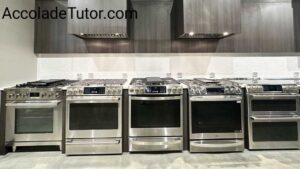
Not all appliances need complex framing, but many popular models do. Yale appliance framing is especially relevant for the following:
Built-In Refrigerators
These units require reinforced enclosures, top ventilation space, and precise depth measurements. Panel-ready models also need accurate door alignment.
Wall Ovens and Speed Ovens
Double ovens, combination units, and steam ovens demand exact cutout sizes and heat-resistant framing materials.
Cooktops and Rangetops
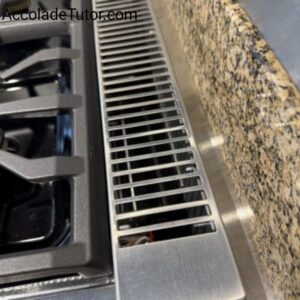
Gas and induction cooktops require clearance below and around the unit, as well as support for weight and ventilation systems.
Dishwashers
Panel-ready dishwashers must align perfectly with adjacent cabinetry, making framing accuracy critical.
Laundry Appliances
Stacked washers and dryers need reinforced framing, vibration control, and proper spacing for hoses and vents.
Key Measurements That Matter in Yale Appliance Framing
Precision is the backbone of effective framing. Some of the most critical measurements include:
- Rough opening width, height, and depth
- Finished floor height
- Cabinet face thickness
- Clearance for hinges and handles
- Service access space
Yale Appliance often stresses measuring after floors are installed, not before. A new tile or hardwood floor can alter appliance alignment significantly.
Common Mistakes Homeowners Make
Ignoring Manufacturer Specifications
Every appliance comes with a specification sheet. Skipping these details leads to misalignment, overheating, or non-compliant installations.
Assuming All Brands Are the Same Size
Two 36-inch refrigerators from different brands may have different height, depth, or ventilation requirements. Yale appliance framing accounts for brand-specific nuances.
Not Planning for Door Swing
Refrigerator and oven doors need space to open fully. Poor framing can block drawers, walls, or islands.
Overlooking Weight Support
Professional appliances can weigh several hundred pounds. Cabinets and subfloors must be reinforced accordingly.
Framing for Panel-Ready Appliances
Panel-ready appliances are designed to accept custom cabinet fronts, blending into the kitchen. Yale appliance framing for these models requires extra care:
- Exact panel thickness matching cabinet doors
- Perfect alignment with adjacent cabinetry
- Balanced weight distribution on hinges
A small framing error becomes obvious when panels don’t sit flush or doors sag over time.
How Yale Appliance Framing Fits into Kitchen Design
Framing should never be an afterthought. It works best when coordinated early with:
- Kitchen designers
- Cabinet manufacturers
- Electricians and plumbers
- Appliance specialists
This collaborative approach avoids last-minute modifications that increase costs and compromise aesthetics.
Professional vs DIY Framing
When DIY Might Work
Simple freestanding appliances with generous clearance can sometimes be framed by experienced DIYers who follow manufacturer specs closely.
When to Hire Professionals
Built-in, gas-powered, or high-end appliances should always involve professionals. Mistakes can affect safety, warranties, and resale value.
Much like structured learning paths explained on
Acclaimed educational platforms, appliance framing benefits from expert guidance and proven systems.
Costs Associated with Yale Appliance Framing
Costs vary depending on appliance type, cabinetry complexity, and labor rates. Typical factors include:
- Custom cabinet modifications
- Structural reinforcement
- Ventilation adjustments
- Electrical or gas line relocation
While framing adds upfront cost, it often prevents expensive corrections later.
Maintenance and Long-Term Benefits
Well-framed appliances are easier to service, quieter in operation, and less prone to wear. Access panels and proper spacing allow technicians to perform repairs without dismantling cabinetry.
In the long run, Yale appliance framing contributes to:
- Longer appliance lifespan
- Improved energy efficiency
- Higher property value

Helpful External Resources
For additional technical standards and safety considerations, consider reviewing:
- National Association of Home Builders (NAHB)
- U.S. Department of Energy – Energy Saver
- Consumer Reports Appliance Buying Guides
These resources complement Yale appliance framing principles with broader industry guidelines.
Final Thoughts
Yale appliance framing is not just about making appliances fit—it’s about making them function, last, and look right. Whether planning a full kitchen remodel or upgrading a single built-in unit, thoughtful framing lays the groundwork for success.
Approaching framing with the same care used in academic preparation or professional training—where structure, precision, and foresight matter—leads to results that stand the test of time. When appliances are framed correctly, everything else falls into place.