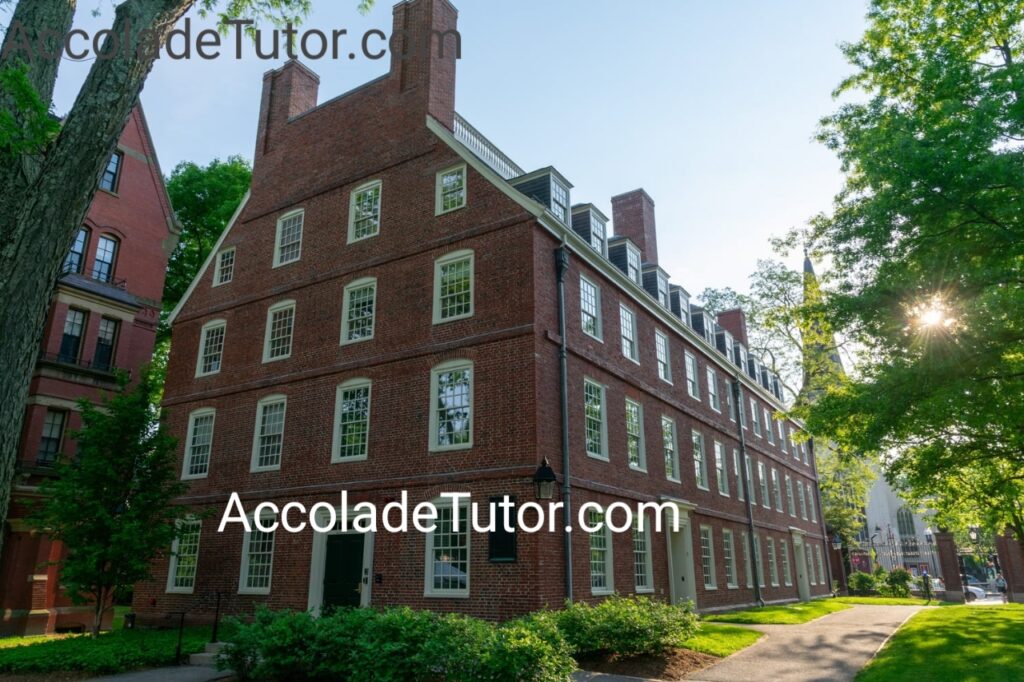
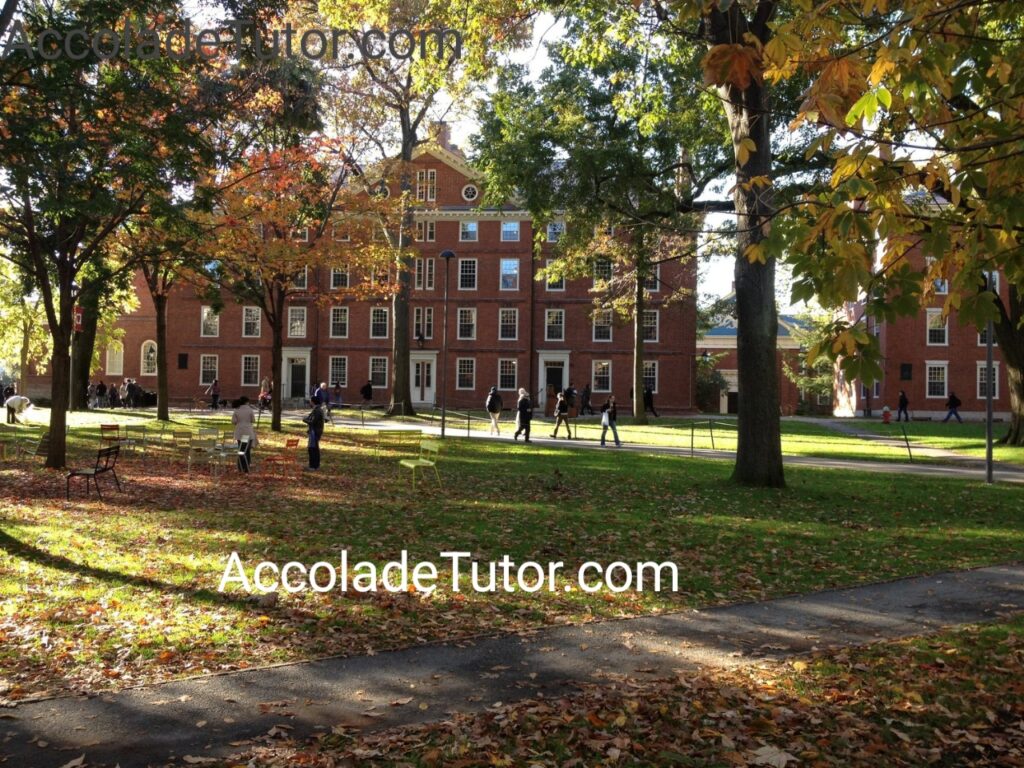
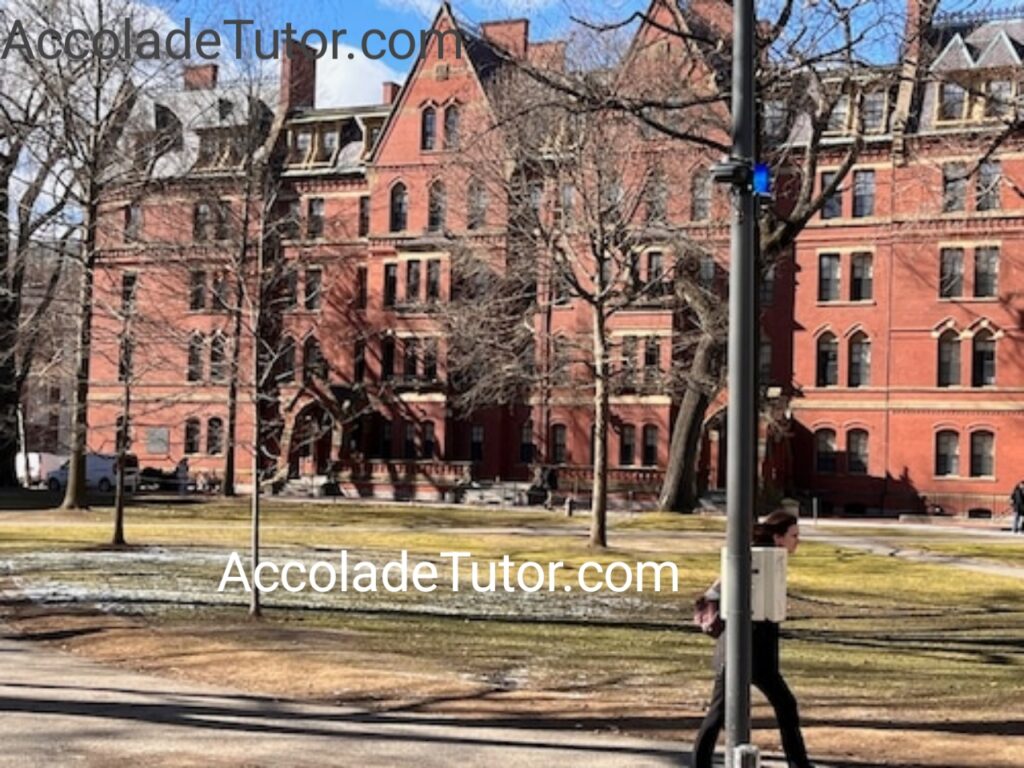
The Massachusetts Institute of Technology (MIT) in Cambridge, Massachusetts, continues to stand as one of the world’s most prestigious institutions for innovation, science, engineering, and advanced research. Every year, thousands of aspiring students search for credible insights about Massachusetts Institute of Technology degrees, program structures, and the specific courses MIT will be offering in 2026. If you are planning to study at MIT, this article covers everything you need to know—degree types, top programs, department structures, admission competitiveness, course offerings, and what makes MIT’s academic design unique.
This blog post is written in a way to provide detailed, valuable information optimized for search intent, helping students, parents, and educators understand the depth and diversity of MIT’s academic programs.
About MIT’s Academic Structure
MIT organizes its academic and research work into five major schools and an interdisciplinary college. Through these schools, MIT offers undergraduate degrees, master’s degrees, doctoral programs, joint degrees, and specialized professional certifications. The structure is designed to promote innovation, collaboration, and problem-solving across multiple disciplines.
- School of Engineering
- School of Science
- Sloan School of Management
- School of Architecture and Planning
- School of Humanities, Arts, and Social Sciences
- Schwarzman College of Computing
Each school hosts several departments, labs, and interdisciplinary centers that offer various Massachusetts Institute of Technology degrees and specialized training programs.
Types of Degrees Offered at MIT (2026)
MIT offers a wide selection of degree types designed to suit different academic interests and career goals. These programs are built on a foundation of analytical thinking, research, and hands-on learning.
1. Undergraduate Degrees (Bachelor’s Programs)
MIT primarily offers the following undergraduate degree types:
- Bachelor of Science (SB / BSc) – The main undergraduate degree.
- Interdisciplinary and joint majors.
- Flexible programs through the MIT OpenCourseWare and cross-departmental combinations.
Undergraduates at MIT often engage in research from their first year, thanks to the Undergraduate Research Opportunities Program (UROP), one of the world’s most extensive student research platforms.
2. Master’s Degrees
Graduate students can pursue research-based and professional master’s programs. Some popular options include:
- Master of Science (SM)
- Master of Engineering (MEng)
- Master of Finance (MFin)
- Master of Business Administration (MBA) – Sloan School of Management
- Master in City Planning (MCP)
These master’s programs are designed to prepare students for leadership roles in industries, academia, and global research institutions.
3. Doctoral Degrees (PhD & ScD)
MIT offers advanced doctoral programs across science, engineering, management, social sciences, and humanities. These programs focus heavily on research, innovation, and publication. Students work closely with leading researchers in top-ranking laboratories and research centers.
4. Professional & Special Programs
MIT hosts executive education, short-term certifications, online micro-master’s programs through MITx, and professional development courses. These programs cater to working professionals and students seeking specialized technological and managerial skills.
MIT School-by-School Breakdown of Degrees and Courses Offered in 2026
Below is a detailed look at what each school offers in terms of degrees, majors, and specialized courses for 2026.
1. School of Engineering
The School of Engineering remains MIT’s largest and most competitive academic division. It consistently ranks as the world’s top engineering school and offers a wide variety of Massachusetts Institute of Technology degrees in engineering and technology.
Popular Undergraduate Majors
- Aerospace Engineering
- Biological Engineering
- Chemical Engineering
- Civil and Environmental Engineering
- Electrical Engineering and Computer Science (EECS)
- Materials Science and Engineering
- Mechanical Engineering
- Nuclear Science and Engineering
Graduate Courses & Research Areas
- Robotics and Artificial Intelligence
- Quantum Engineering
- Bioengineering and Nanotechnology
- Advanced Manufacturing
- Sustainable Energy Systems
- Computational Engineering
The School of Engineering emphasizes project-based learning, internships, and research lab experience.
2. School of Science
The School of Science focuses on foundational scientific research and advanced STEM theory. MIT’s science programs are globally recognized for producing Nobel Prize winners, innovators, and major scientific discoveries.
Undergraduate and Graduate Degrees Offered
- Biology
- Chemistry
- Earth, Atmospheric, and Planetary Sciences
- Mathematics
- Physics
- Brain and Cognitive Sciences
Key 2026 Course Areas
- Genomics and Molecular Biology
- Astrobiology and Space Science
- Computational Neuroscience
- Particle Physics and Quantum Field Theory
The School of Science plays a critical role in MIT’s interdisciplinary research activities, collaborating with the engineering and computing schools.
3. MIT Sloan School of Management
The MIT Sloan School of Management offers world-class business and management degrees with a heavy focus on technology, analytics, and innovation. Sloan is one of the top business schools globally.
Degrees Offered in 2026
- MBA (Master of Business Administration)
- Master of Finance (MFin)
- Master of Business Analytics (MBAn)
- Executive MBA
- PhD in Management Disciplines
Popular Courses
- Entrepreneurship & Innovation
- Data Analytics & Machine Learning
- Financial Engineering
- Global Economics
Sloan also collaborates with MIT’s engineering departments to offer joint programs in operations, analytics, and supply chain management.
4. School of Architecture and Planning
This school is the home of architecture, urban planning, media arts, and real estate studies. MIT is known for its innovative approach to design, technology integration, and sustainable development.

Degrees Offered
- Architecture (Undergraduate & Graduate)
- Master in City Planning
- Media Arts and Sciences (Offered through the MIT Media Lab)
- Real Estate Development
Key Course Areas
- Sustainable Architecture
- Smart City Planning
- Urban Analytics
- Human-Computer Interaction
5. School of Humanities, Arts, and Social Sciences (SHASS)
SHASS ensures MIT students receive a balanced, holistic education. Every undergraduate must take several SHASS subjects; therefore, it plays a central role in the curriculum.
Programs Offered
- Economics
- Political Science
- Linguistics
- Anthropology
- Philosophy
- Comparative Media Studies
6. Schwarzman College of Computing
As technology advances globally, MIT created this college to focus on the intersection of computing, data science, and AI.
Degrees and Programs Offered
- Computer Science (Undergraduate & Graduate)
- Artificial Intelligence & Decision-Making
- Data Science and Machine Learning
- Computational Biology
This college collaborates closely with all MIT departments, meaning computing courses are integrated across engineering, science, and management programs.

Why MIT Degrees Stand Out in 2026
MIT’s approach to education is built on a foundation of research, innovation, and hands-on problem-solving. What makes massachusetts institute of technology degrees unique includes:
- World-class laboratories and research centers—including the Computer Science & AI Laboratory (CSAIL) and the MIT Media Lab.
- Experiential learning through UROP and project-based courses.
- Top-ranking faculty consisting of Nobel laureates, industry leaders, and pioneering researchers.
- Global industry partnerships providing internship and job placements at companies like Google, SpaceX, Apple, Boeing, Intel, and more.
- Flexible academic structures allowing students to customize degree pathways.
Conclusion
The variety of Massachusetts Institute of Technology degrees offered in 2026 demonstrates MIT’s dedication to academic excellence, research innovation, and global leadership in technology and science. Whether you are interested in engineering, computing, business, architecture, sciences, or humanities, MIT offers world-class programs that prepare students for groundbreaking careers.
As one of the most competitive and forward-thinking institutions globally, MIT continues to evolve its course offerings to match technological trends, societal needs, and global innovation demands.
If you intend to apply to MIT for 2026, understanding the degrees and programs available is the first step toward building your dream academic pathway,
Kindly share the article and don’t forget to leave a reply in the comment section below if you have more enquiries, Contact Us via the WhatsApp Icon below your right on this page, Thank you.