Let’s explore the different types of clubs at Stanford University, how to join them, why they matter, and how they help students build lifelong skills and relationships.
Why Stanford University Clubs and Organizations Matter
Stanford is often associated with innovation, entrepreneurship, and academic excellence—but those qualities are deeply reflected in its student organizations. With 600+ registered student groups, Stanford offers one of the most diverse club ecosystems in the world.

These clubs allow students to:
- Explore personal interests beyond their major
- Develop leadership, teamwork, and communication skills
- Build professional networks early
- Find community and belonging on a large campus
- Turn ideas into real-world impact
At Stanford, clubs aren’t just extracurricular activities—they are extensions of the university’s culture of creativity and initiative.
Categories of Stanford University Clubs and Organizations
To make navigation easier, Stanford University clubs and organizations are generally grouped into several broad categories. Below is a breakdown of the most popular types.
1. Academic and Educational Clubs
Academic clubs support students within specific fields of study while encouraging collaboration and intellectual curiosity. These organizations often host workshops, guest lectures, study sessions, and conferences.
Examples include:
- Stanford Pre-Business Association
- Stanford Society of Women Engineers
- Stanford Economics Association
- AI, data science, and robotics student groups
Many of these clubs work closely with faculty and industry professionals, giving students early exposure to research and career opportunities.
2. Professional and Career-Focused Organizations
Professional clubs are especially popular at Stanford due to its proximity to Silicon Valley. These organizations focus on career development, networking, internships, and mentorship.
Students interested in entrepreneurship, consulting, finance, law, healthcare, and technology will find no shortage of options. Workshops on resume writing, interview preparation, and startup pitching are common.
For students interested in Stanford’s innovation culture, you may also want to explore related campus experiences such as athletics and events. See our guide on Stanford University basketball events to understand how sports and networking often intersect on campus.
3. Cultural and Identity-Based Organizations
Cultural clubs play a vital role in promoting diversity, inclusion, and cross-cultural understanding. Stanford University clubs and organizations in this category celebrate heritage, language, traditions, and shared experiences.
These groups often organize:
- Cultural festivals and showcases
- Community discussions and dialogues
- Mentorship programs
- Collaborative events with other cultural organizations
They provide safe spaces for students while also educating the broader campus community.
4. Arts, Music, and Performance Groups
Creativity thrives at Stanford. From a cappella groups to theater troupes, dance crews, and film societies, artistic expression is deeply embedded in student life.
Popular options include:
- Student theater and improv groups
- A cappella and music ensembles
- Dance organizations covering global styles
- Creative writing and film clubs
Many of these organizations perform both on and off campus, contributing to Stanford’s cultural reputation.
5. Sports and Recreational Clubs
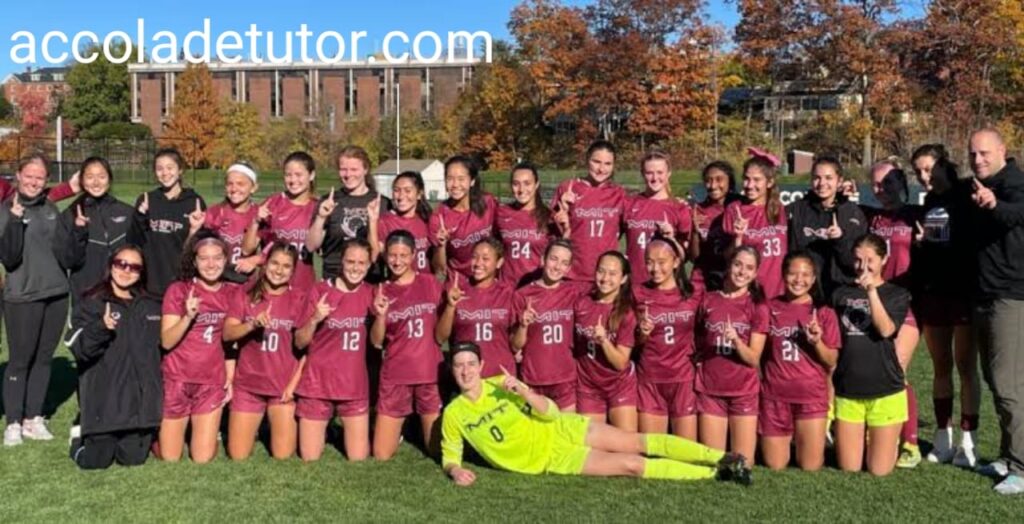
In addition to varsity athletics, Stanford University clubs and organizations include numerous club and recreational sports teams. These groups are ideal for students who want competitive or casual sports without the intensity of NCAA commitments.
Options range from soccer, tennis, and swimming to martial arts, outdoor adventure clubs, and wellness groups.
If you’re interested in Stanford’s broader athletic culture, you can also explore the official Stanford Athletics website for updates on varsity sports and campus events.
6. Community Service and Social Impact Organizations
Many Stanford students are passionate about giving back. Community service clubs focus on education, healthcare access, environmental sustainability, and social justice.
These organizations often partner with local communities, nonprofits, and global initiatives. Students gain hands-on experience while making a measurable difference.
Service-based Stanford University clubs and organizations also help students apply classroom knowledge to real-world challenges.
7. Entrepreneurship and Innovation Clubs
Entrepreneurship is a defining feature of Stanford. Student-run startup incubators, venture capital clubs, and innovation hubs give members opportunities to pitch ideas, build prototypes, and connect with investors.
These organizations frequently collaborate with Stanford-affiliated accelerators and alumni founders.
For official resources supporting student organizations, visit Stanford’s Office of Student Engagement.
How to Join Stanford University Clubs and Organizations
Joining a club at Stanford is generally straightforward and welcoming. Most organizations actively recruit new members throughout the academic year.
Common Ways to Get Involved
- Attend the annual activities and organizations fair
- Sign up through Stanford’s student engagement platforms
- Follow clubs on social media
- Attend open meetings or info sessions
Some competitive or performance-based organizations may require applications or auditions, but many clubs are open to students of all experience levels.

Leadership Opportunities Within Student Organizations
One of the biggest benefits of Stanford University clubs and organizations is leadership development. Students can serve as presidents, treasurers, event coordinators, or project leads.
These roles help students:
- Manage budgets and resources
- Lead diverse teams
- Plan large-scale events
- Communicate with faculty and administrators
Leadership experience gained through clubs is highly valued by employers and graduate schools alike.
Balancing Academics and Club Involvement
While Stanford offers countless opportunities, students are encouraged to be intentional with their time. Many successful students choose a few meaningful organizations rather than joining everything.
The flexibility of Stanford University clubs and organizations allows students to scale their involvement depending on academic workload, internships, or research commitments.
Learning how to balance academics with extracurriculars is itself a valuable life skill.
How Clubs Enhance the Stanford Experience
Ask any Stanford alum what they remember most, and chances are they’ll mention a student organization. Clubs foster friendships, spark ideas, and create memories that last well beyond graduation.

They also help students explore identities, test career paths, and develop confidence in leadership roles.
For students interested in exploring other aspects of campus life, you may find it helpful to read our related guide on Stanford University swimming and recreation.
Conclusion on Stanford University Clubs and Organizations
Stanford University clubs and organizations are more than just student activities—they are communities where ideas are tested, passions are discovered, and leaders are shaped. With hundreds of options across academics, culture, arts, service, sports, and innovation, every student can find a place to belong.
If you’re considering Stanford or preparing to join the campus, exploring its student organizations early can help you make the most of your time at one of the world’s most dynamic universities.
At Stanford, what you do outside the classroom is just as transformative as what you learn inside it.