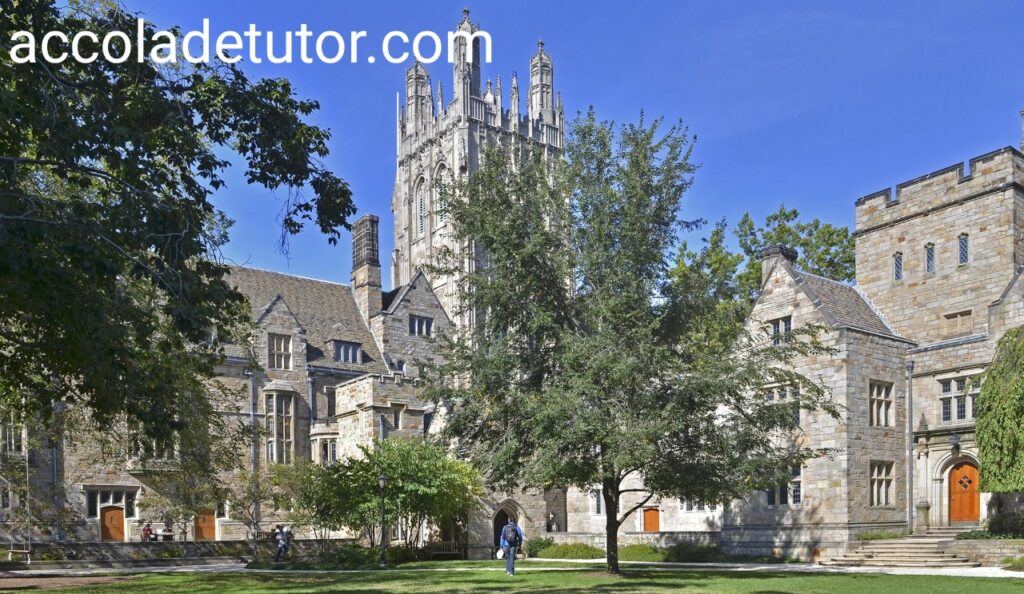
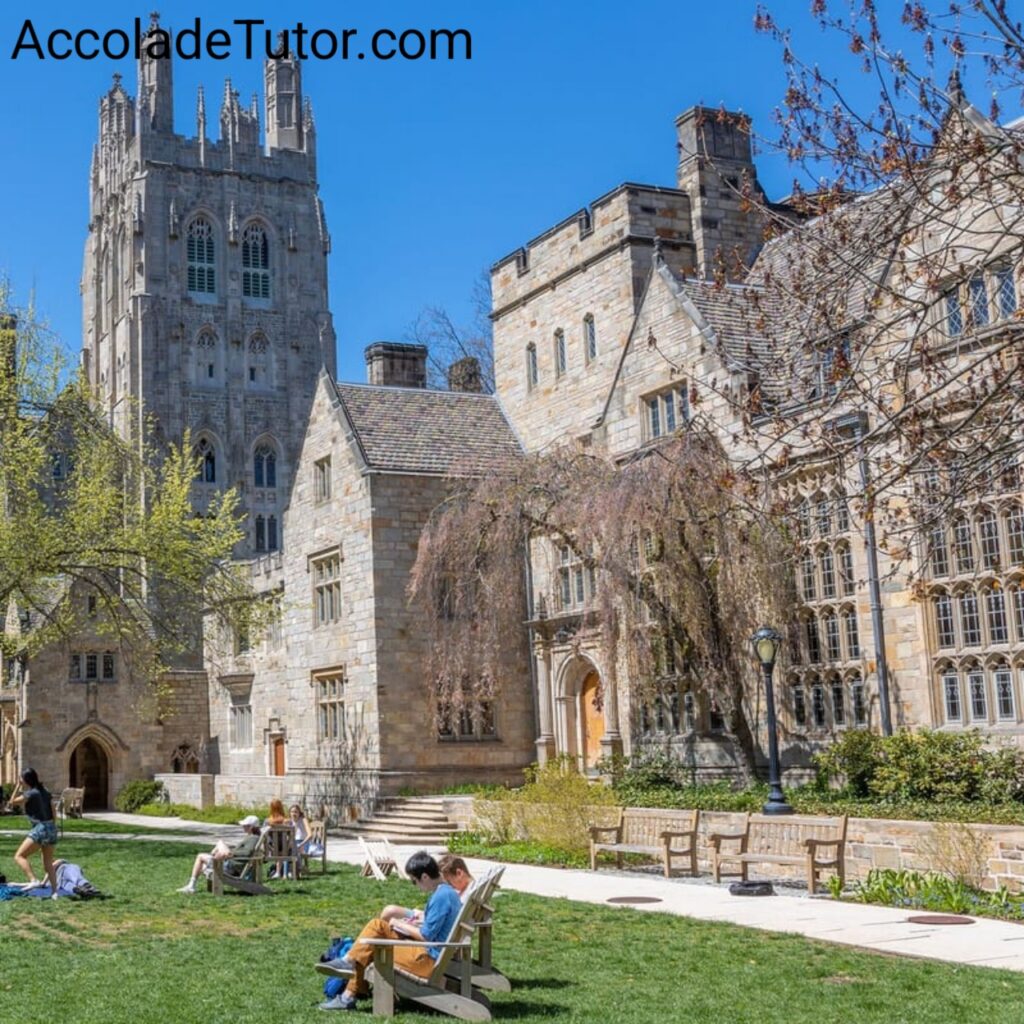
Understanding fraternities at Yale requires looking beyond stereotypes. At Yale, fraternities exist alongside residential colleges, student societies, cultural organizations, and long-standing senior societies. This structure shapes how fraternities function and how much influence they carry.
Overview of Greek Life at Yale University
Greek life at Yale is present but intentionally limited. Only a small percentage of undergraduates participate in fraternities or sororities when compared with large public universities or private schools in the southern United States. Yale does not officially recognize Greek organizations in the same way some universities do, but several fraternities remain active through alumni oversight and independent housing.
The university places stronger emphasis on its residential college system. Each student is assigned to one of Yale’s residential colleges, which serve as the primary social, academic, and residential communities. As a result, fraternities operate as optional social spaces rather than central pillars of campus life.
History of Yale University Fraternities
The roots of fraternities at Yale date back to the nineteenth century, when secret societies and Greek-letter organizations flourished across Ivy League campuses. Yale played a major role in shaping the early Greek movement, particularly through the emergence of senior societies such as Skull and Bones, Scroll and Key, and Wolf’s Head.
Traditional fraternities later emerged, though their influence never surpassed that of Yale’s unique societies and colleges. Over time, concerns about exclusivity, student conduct, and equity led the university to distance itself from Greek organizations, resulting in today’s more restrained environment.
Active Fraternities at Yale
Several fraternities continue to operate at Yale, though membership numbers remain modest. These groups typically recruit sophomores and juniors and emphasize leadership, philanthropy, and alumni networking.

- Alpha Delta Phi: Known for blending social activity with intellectual and artistic interests.
- Delta Kappa Epsilon: One of the oldest fraternities in the United States, with a long Yale history.
- Saint Anthony Hall: Often described as a literary and social society rather than a traditional fraternity.
- Zeta Psi: Focuses on brotherhood, academic balance, and alumni engagement.
These organizations typically operate off-campus or in privately owned houses. Membership is selective, but the process is generally less aggressive than fraternity recruitment at other schools.
Recruitment and Membership Process
Joining a fraternity at Yale involves a quieter recruitment process, often referred to as “rush.” Events are usually invitation-based and low-key, emphasizing conversation and shared interests rather than large parties.
Students are encouraged to explore campus life fully before committing. Many undergraduates choose not to join fraternities at all and still enjoy rich social calendars through college events, cultural houses, and student organizations.
Social Life Beyond Fraternities
One of the most distinctive features of Yale is that fraternities are not required for an active social life. Residential colleges host formal dinners, study breaks, themed parties, and speaker events throughout the year. Cultural centers and student-run organizations also play a major role.
This structure ensures that students who opt out of Greek life do not feel excluded. Social opportunities remain abundant and inclusive.
Benefits of Joining a Yale Fraternity
For students who choose to participate, Yale University fraternities can offer meaningful advantages:
- Strong alumni networks that may support career development
- Smaller social communities within a large academic environment
- Leadership opportunities through event planning and governance
- Philanthropic initiatives tied to local and national causes
These benefits appeal to students seeking structured social engagement without full immersion in Greek life culture.
Criticism and Ongoing Debate
Fraternities at Yale are not without criticism. Concerns include exclusivity, gender imbalance, and the potential for misconduct. Yale has responded by enforcing strict conduct expectations and encouraging accountability through alumni governance.

Students continue to debate the relevance of fraternities in a university built around residential colleges and inclusive communities. This conversation evolves with each generation.
Yale’s Policies on Fraternities
Yale does not formally endorse fraternities, but it allows students to participate in external organizations provided they comply with university policies. These rules address alcohol use, hazing prevention, and non-discrimination standards.
Students considering membership should review Yale’s official guidelines and understand that disciplinary action may occur if standards are violated.
How Fraternities Compare to Yale Senior Societies
Yale’s senior societies often overshadow fraternities in terms of tradition and prestige. Membership in societies like Skull and Bones typically occurs during senior year and focuses on discussion, mentorship, and lifelong connection rather than undergraduate social events.
This distinction further limits the influence of fraternities, positioning them as optional rather than central.
Advice for Prospective Students
Students applying to Yale should not view fraternity availability as a deciding factor. Yale offers a rich, balanced campus life with or without Greek involvement. Prospective undergraduates are encouraged to prioritize academic fit, residential culture, and personal growth.
External Perspectives on Greek Life
For broader context, readers can explore Yale’s official student organization policies on the Yale College Student Life page. Independent research on Greek life trends is also available through the Inside Higher Ed education journal.
Final Thoughts
Yale University fraternities represent a small but enduring part of campus life. They offer select students additional community and connection, yet they do not define the Yale experience. With residential colleges, cultural groups, and academic societies shaping daily life, Yale stands apart from universities where fraternities dominate.
For most students, Yale’s strength lies in its balance. Fraternities exist for those who seek them, but belonging at Yale is never dependent on Greek letters.
Students preparing for Ivy League applications or exploring campus culture in depth may also benefit from academic planning insights available at Stanford IVY League