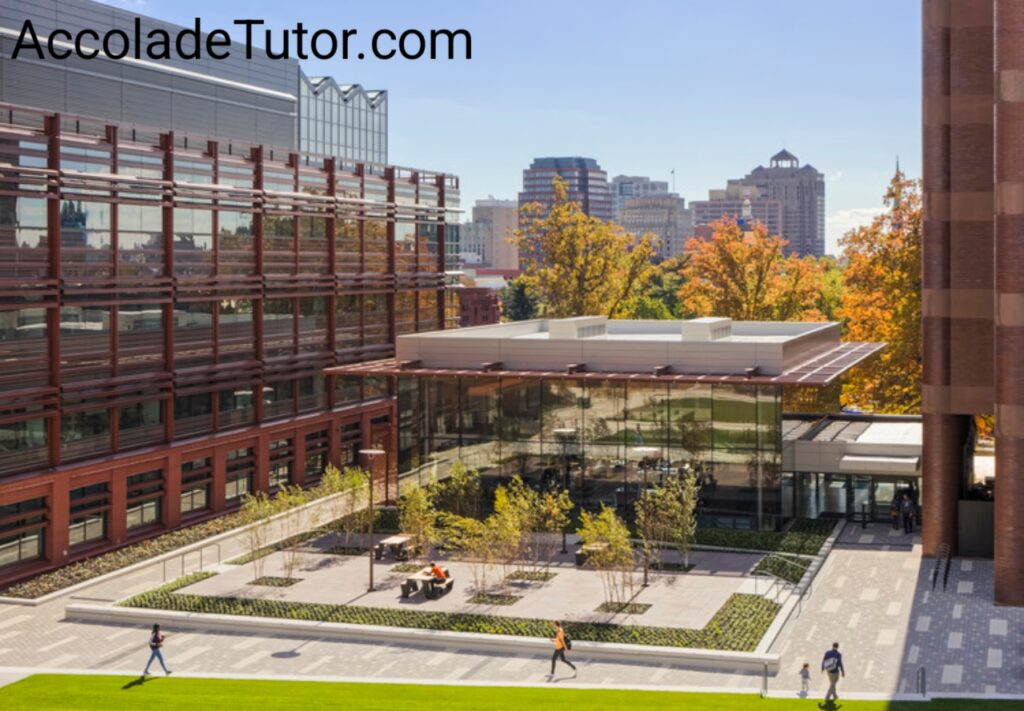
Yale University Golf Course is more than just a place to play golf—it is a living piece of American golf history. Located in New Haven, Connecticut, this iconic course blends world-class design, academic heritage, and a welcoming atmosphere for both university members and the public. Designed in the 1920s, the course continues to earn respect from golfers, architects, and historians alike.
Whether you are planning a golf trip, researching elite collegiate courses, or simply curious about what makes Yale’s layout so revered, this article explores everything you need to know about the Yale University Golf Course—from its architectural roots to modern-day playing experience.
A Brief History of Yale University Golf Course
The Yale University Golf Course opened in 1926 and was designed by legendary architect Charles Blair Macdonald, often referred to as the “Father of American Golf Architecture.” Working alongside Seth Raynor, Macdonald brought classical European golf concepts to the United States, and Yale’s course stands as one of his finest achievements.
The land itself was gifted to Yale University by the family of Albert Milbank, and the goal was ambitious: to create a golf course that could rival the great links of Scotland and England. The result was a bold, strategic layout that still challenges elite golfers nearly a century later.
Over the decades, the Yale University Golf Course has undergone thoughtful restorations to preserve Macdonald’s original vision while adapting to modern equipment and playing standards.
World-Class Course Design and Architecture
One of the defining features of the Yale University Golf Course is its architectural integrity. Rather than relying on length alone, the course emphasizes shot-making, angles, and strategic thinking.
Template Holes with Character
The course features several classic “template holes” inspired by famous European designs, including:
- Redan – A challenging par-3 requiring a precise approach
- Biarritz – Known for its dramatic swale running through the green
- Eden – Demanding accuracy and smart club selection
These holes give the Yale University Golf Course a timeless feel, rewarding thoughtful play over raw power.
Natural Terrain and Elevation
The course takes full advantage of Connecticut’s rolling terrain. Elevation changes, deep bunkers, and natural hazards create visual drama while maintaining playability. Fairways are generous in places, but approach shots demand accuracy, especially into well-protected greens.
Course Layout and Playing Experience
The Yale University Golf Course typically plays as a par 70, stretching over 6,800 yards from the back tees. While not overly long by modern standards, it remains a serious test of golf.
Greens and Conditions
The greens are among the most talked-about aspects of the course. Large, fast, and contoured, they place a premium on approach shots and putting touch. Being above the hole is often a mistake, and subtle breaks keep even experienced golfers guessing.
Maintenance standards are consistently high, reflecting Yale’s commitment to preserving the course’s reputation. Seasonal changes also add variety, making repeat rounds feel fresh and engaging.

Who Can Play?
Unlike many private university courses, the Yale University Golf Course is open to the public. This accessibility is one of its most appealing qualities. While Yale students, alumni, and faculty enjoy special privileges, visiting golfers are welcome and encouraged to experience the course.
Yale University Golf Course and Collegiate Golf
As part of Yale University’s athletic tradition, the golf course plays an important role in collegiate competition. The Yale Bulldogs golf teams train and compete here, benefiting from a challenging home course that prepares them for top-level tournaments.
The course has hosted numerous collegiate and amateur events, reinforcing its status as one of the premier university golf facilities in the United States.
For students balancing academics and athletics, the course serves as a unique space where discipline, focus, and strategy intersect—values central to Yale’s broader educational mission.
Facilities, Practice Areas, and Amenities
The Yale University Golf Course offers more than just an exceptional layout. Its facilities support golfers of all skill levels.
- Full driving range with grass tees
- Putting and short-game practice areas
- Professional golf instruction
- Clubhouse with dining and event spaces
The clubhouse maintains a classic, understated atmosphere that reflects the course’s heritage. It’s a comfortable place to relax after a round, discuss shots, or enjoy views of the surrounding landscape.
Planning Your Visit to Yale University Golf Course
If you are considering a round at the Yale University Golf Course, planning ahead is recommended. Tee times can fill quickly, especially during peak seasons such as spring and fall.

Best Time to Play
Late spring and early autumn offer ideal conditions, with comfortable temperatures and vibrant scenery. Summer rounds are also enjoyable, though afternoon tee times may be warmer.
Dress Code and Etiquette
The course follows traditional golf etiquette. Proper golf attire is required, and respect for pace of play is emphasized. These standards help preserve the experience for everyone.
For official details on tee times, rates, and policies, visiting the official Yale University Golf Course website is highly recommended.
Why Yale University Golf Course Stands Out
What truly separates the Yale University Golf Course from many others is its balance of prestige and accessibility. It offers:
- Historic design by a pioneering architect
- A championship-level challenge
- Public access to a world-class layout
- Strong ties to academic and athletic excellence
Few courses manage to maintain such a strong connection to their original design while remaining relevant to modern golfers.

Learning, Strategy, and Golf Education
Golf at Yale is not just about competition—it’s also about learning. Many players find that the Yale University Golf Course improves their strategic thinking, course management, and mental approach to the game.
For students and learners interested in structured academic guidance alongside athletic development, platforms like college sport preparation resources can help bridge the gap between education and extracurricular excellence.
Similarly, those aiming to balance academics with sports may benefit from personalized academic support through services such as our online tutoring programs via our contact page, which emphasize discipline and long-term growth.
Nearby Attractions and Campus Experience
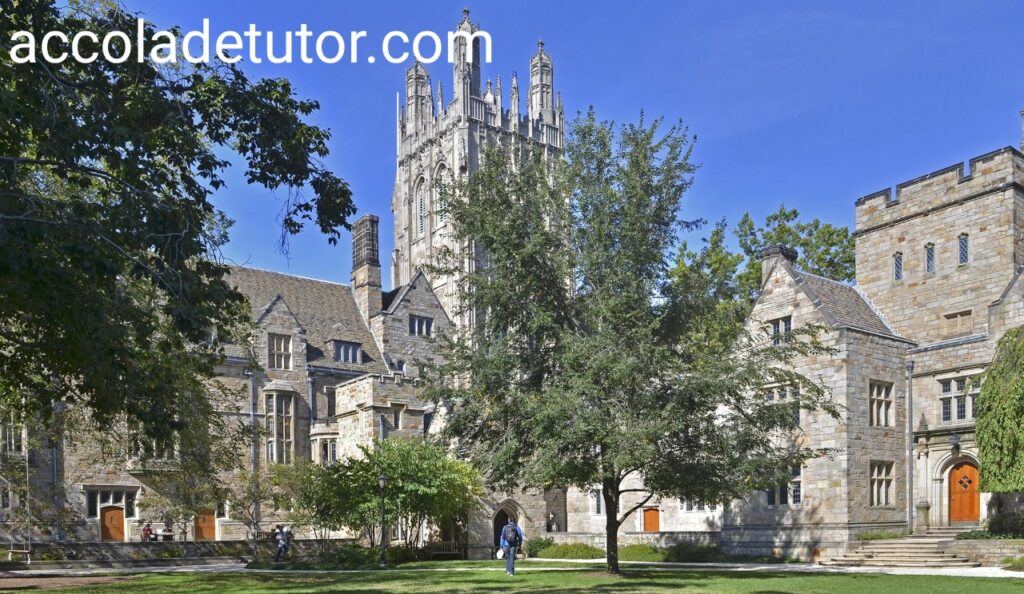
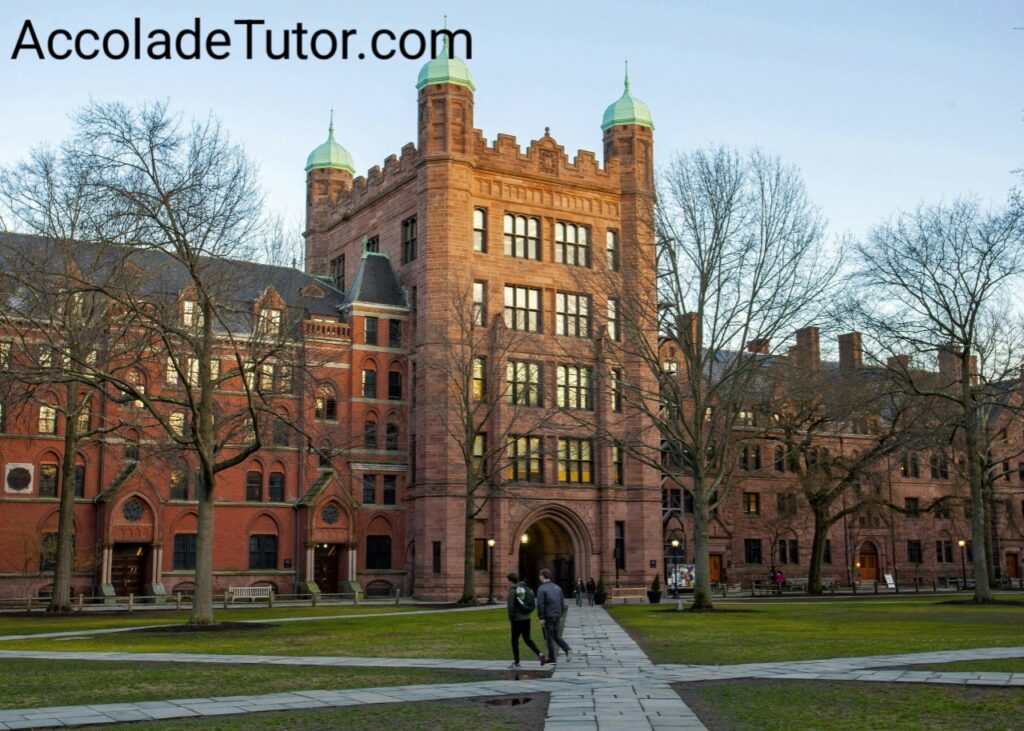
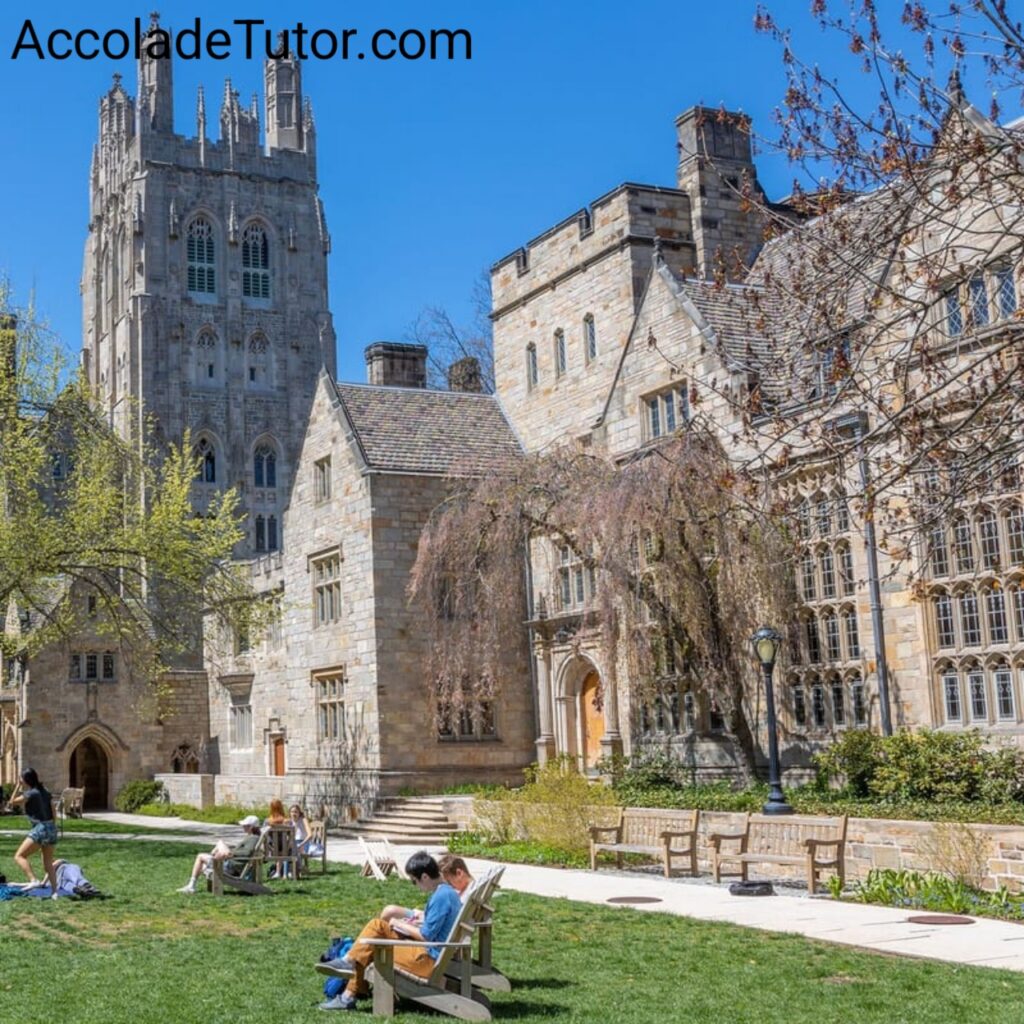
Playing the Yale University Golf Course also offers the opportunity to explore the wider Yale campus and New Haven area. The university’s historic architecture, museums, and cultural venues make it an ideal destination for a golf weekend.
Golfers often pair their rounds with campus tours, dining in downtown New Haven, or visits to Yale’s renowned libraries and galleries.
For broader context on Yale University’s athletic programs and facilities, the Yale Athletics website provides valuable insights.
Final Thoughts on Yale University Golf Course
The Yale University Golf Course remains one of the most respected and enjoyable golf experiences in the United States. Its combination of classic design, thoughtful maintenance, and open access makes it a rare gem among university-owned courses.
Whether you are a serious golfer, a history enthusiast, or someone looking to experience a true architectural masterpiece, this course delivers on every level. Nearly a century after its creation, Yale’s golf course continues to challenge, inspire, and welcome players from around the world.
For those who appreciate golf as both a sport and an art form, a round at the Yale University Golf Course is not just memorable—it’s essential.