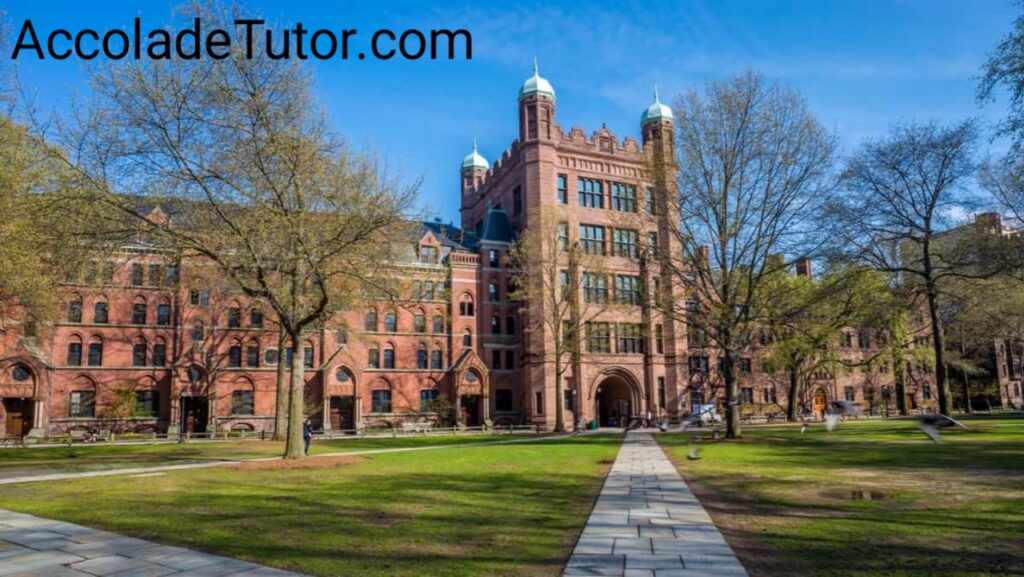
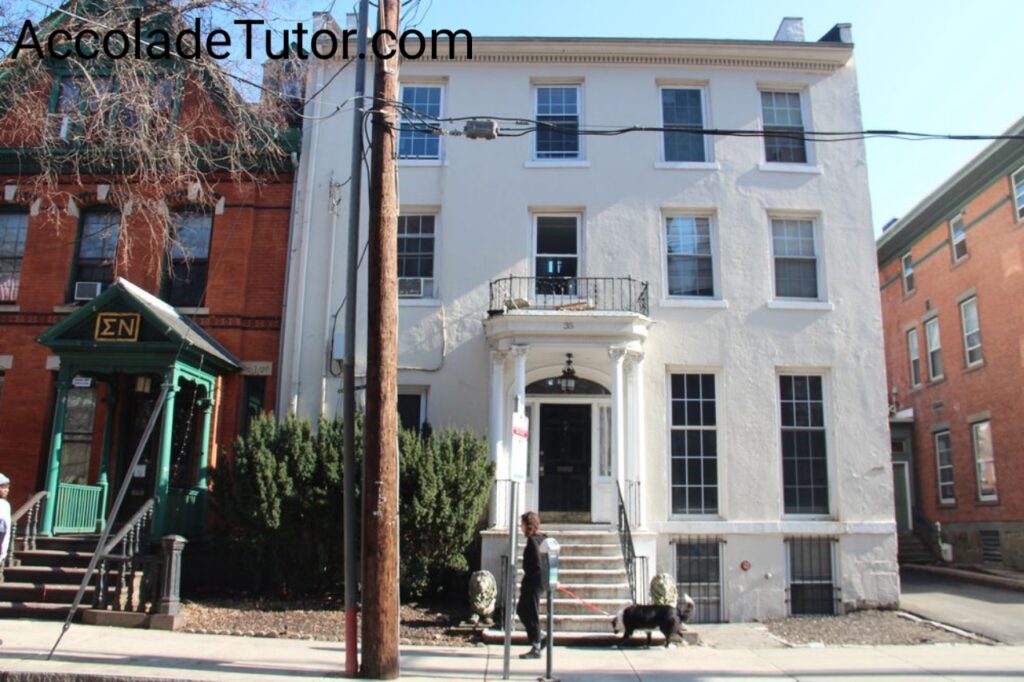
Attending a summer program at Yale University is an aspiration for ambitious high school students around the world. Not only can such an experience deepen academic interests, but it can also strengthen college applications and expand personal horizons. With a legacy rooted in excellence, Yale offers summer opportunities that are intellectually challenging, socially engaging, and transformative in countless ways.
In this comprehensive overview, you’ll find essential details about the Yale University summer program for high schoolers, including key dates, eligibility criteria, application strategies, course offerings, costs, scholarships, and practical tips to maximize your time on campus.
What Makes Yale’s Summer Programs Unique?
Yale’s summer offerings provide high school students with access to world-class faculty, vibrant campus life, and rigorous academic environments. Many participants describe their experience as a blend of personal growth and academic immersion that prepares them not just for college—but for life beyond the classroom.
Some central features include:
- College-level instruction on a historic Ivy League campus
- Residential community with students from diverse backgrounds
- Hands-on projects and collaborative learning
- Professional development workshops and networking
Programs Available for High School Students
Yale offers several summer programs designed specifically for motivated high school students. These vary in focus, duration, and format, but all provide a rigorous academic experience. Here are some of the most popular options:
1. Yale Young Global Scholars (YYGS)
The Yale Young Global Scholars program is a highly selective, intensive summer academy for rising high school juniors and seniors. Students choose themes such as:
- Applied Science & Engineering
- Biological & Biomedical Sciences
- Literature, Philosophy & Culture
- Politics, Law & Economics
Over the course of two weeks, participants engage in seminars, collaborative research, and hands-on projects, culminating with presentations that showcase their work. YYGS also emphasizes leadership development and global perspectives.
For details straight from the source, explore Yale’s official overview of the program here: Yale Young Global Scholars.
2. Summer Session Programs
Yale’s Summer Session allows high school students to take actual Yale courses for credit. These offerings can range from literature and history to engineering and physics. Unique to this program is the opportunity to earn transferable college credit while still in high school—an advantage for motivated learners.
3. Pre-College Programs
Occasionally, Yale collaborates with educational partners to offer pre-college experiences that combine academic learning with cultural and career-focused activities. These programs vary from year to year, so it’s important to check Yale’s summer offerings early.

Admission Requirements and Selection Criteria
Competition for Yale’s summer programs is strong, and admissions committees look for well-rounded students who demonstrate:
- Academic curiosity and achievement
- Leadership potential
- Clear motivation for participating in the program
- Quality essays or personal statements
Most programs require applicants to submit:
- Academic transcripts
- Teacher recommendations
- Standardized test scores (if applicable)
- Personal essays or responses
To improve your chances during the application process, start early, craft thoughtful responses to essay prompts, and secure strong letters of recommendation. If you need help preparing your essays or application strategy, check out these resources on summer program application tips and essay writing support designed to help students stand out.
Timeline and Key Dates
Although dates may vary by program and year, here’s a general timeline to guide your planning:
- June – August: Typical program window for Yale summer sessions
- December – February: Application deadlines for many summer programs
- October – January: Application periods open (varies by program)
Some programs operate on rolling admissions, but many are highly selective and fill up early. Be sure to confirm specific deadlines on Yale’s official site or the program’s homepage.
Program Costs and Financial Aid
Cost varies depending on the program length and type. Generally, summer programs at Yale include tuition, housing, and some meals. Additional expenses to consider include travel, books, supplies, and personal spending.
Because financial accessibility is a priority, Yale offers need-based financial aid and scholarships for eligible students. Aid packages can significantly reduce the cost of attendance for families who qualify.
Most programs require a separate financial aid application—so be sure to review the guidelines early and submit all required documents before the deadline.
Living on Campus: What to Expect
Participants usually live in undergraduate-style dormitories, giving younger students an authentic taste of college life. Accommodations are supervised by trained residential staff who ensure a safe and supportive environment.
Campus life includes:
- Dining in Yale cafeterias with diverse food options
- Access to university facilities, including libraries and recreation centers
- Organized social events and cultural activities
While structured academics make up a large portion of the day, social and extracurricular experiences often leave lasting memories and friendships.
Daily Schedule and Academic Expectations
Days are typically full, blending classroom instruction with collaborative projects, group discussions, and independent work. Students can expect:
- Lectures by experienced faculty
- Discussion sections or seminars
- Group-based research or presentations
- Evening activities and community events
Balancing academic work with social engagement reinforces time management skills and prepares students for the academic rigor of college life.
Benefits Beyond the Classroom
Participating in the Yale University summer program for high schoolers extends beyond academics. Many students return home with:

- Greater confidence and self-reliance
- Improved communication and collaboration skills
- Exposure to global perspectives and diverse peers
- Letters of recommendation or strengthened college applications
Parents and students alike often speak about the “aha moments” that occur outside traditional lectures—during late-night conversations, cultural excursions, and teamwork challenges that expand both intellectual and emotional growth.
Tips for Making the Most of Your Summer at Yale
Maximize your summer experience by:
- Engaging deeply with classroom discussions and faculty
- Networking with peers and mentors
- Exploring campus resources, such as libraries and study groups
- Participating in social events to build friendships
- Reflecting regularly on what you’re learning and how it applies to your future goals
Active participation helps transform a summer program from a résumé line into a genuinely enriching life experience.
Real Student Experiences
Hearing from past attendees can offer nuanced insights into what you might expect. Many students share stories of working on original research, presenting findings to peers, and forming lifelong connections. These firsthand accounts reveal how summer programs can spark new academic interests or clarify future career paths.
If you like weaving real student insights into your planning process, consider reading reviews on forums or blog posts by past participants. They often offer practical advice and reflections you won’t find in official brochures.
How to Choose the Right Program for You
With multiple options available, ask yourself:
- Which subject areas excite me the most?
- Do I want to pursue college credit or non-credit enrichment?
- What am I hoping to gain from the experience—academic growth, personal challenge, or both?
Discuss your goals with teachers, parents, or mentors to find the best fit. A thoughtful choice increases your chances of having a fulfilling and meaningful summer experience.
Next Steps: Preparing Your Application
To begin your journey toward Yale’s summer programs:
- Visit the program’s official homepage to confirm dates, eligibility, and application requirements.
- Create a checklist of deadlines and required documents.
- Draft and revise your personal statement early.
- Request recommendation letters well in advance.
- Submit your application before the deadline and follow up if necessary.
Preparation and organization are your allies in creating a compelling application that reflects your abilities and aspirations.
Closing Thoughts
The Yale University summer program for high schoolers offers a powerful opportunity to learn, grow, and explore new academic territory. For driven students, it can serve as a springboard toward higher education and future success. With purposeful preparation, thoughtful engagement, and enthusiasm for learning, your summer at Yale could become one of your most rewarding experiences yet.
Ready to embark on this exciting journey? Start exploring program specifics and begin crafting an application that reflects your passion and potential.