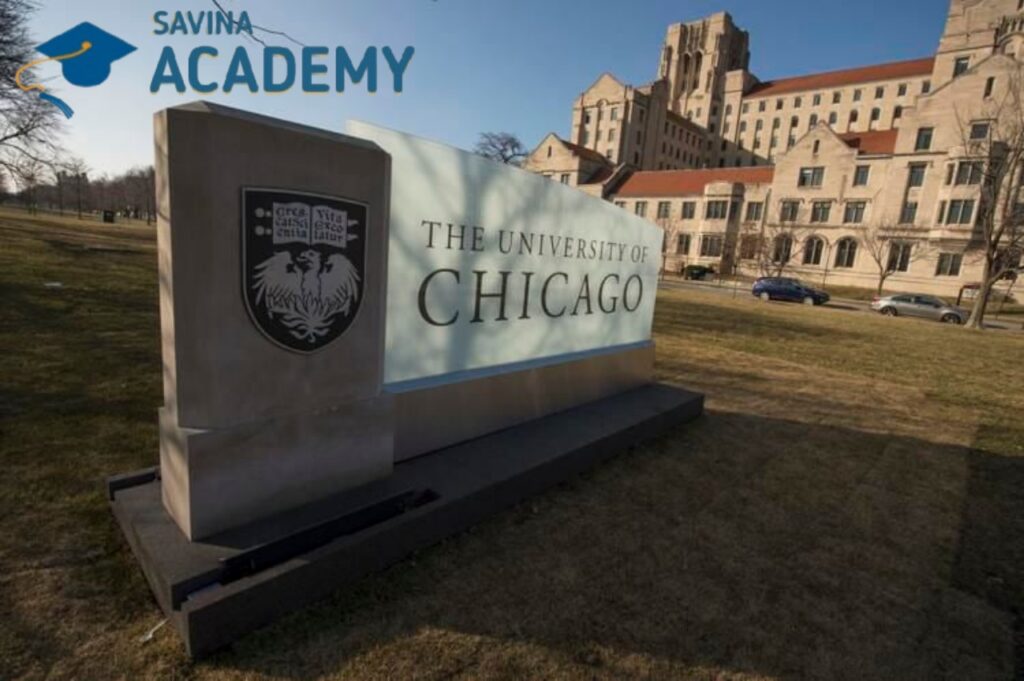
The University of Chicago stands among the most celebrated research universities in the United States. Its reputation rests on a long tradition of intellectual rigor, pioneering scholarship, and influential graduates in economics, law, science, and humanities. Yet in recent years a complex set of financial challenges have forced the institution to rethink core elements of its academic mission. What many observers now label the University of Chicago academic crisis combines fiscal pressure with structural shifts in higher education and internal debate about the future of research and graduate education.
Historical Context of the Financial Strain
Over the last decade the University of Chicago ran persistent budget deficits, spending more on expansion, new facilities, and ambitious research projects than its operating revenue could cover. As of the 2024 fiscal year, that deficit stood at approximately $288 million on a $3.2 billion operating budget, prompting university leadership to commit to a multi-year effort to restore balance. These measures were intended to preserve academic strength while confronting rising costs and unpredictable revenue streams.
Part of the crisis stems from how the university financed its growth. While investing in new labs, dormitories, and advanced research facilities, it also took on substantial debt. By mid-2025 the institution carried billions in outstanding bonds and notes, and servicing that debt consumed a growing share of its resources. These patterns placed pressure on the university’s budget and fueled debate over whether the focus on expansion had eclipsed support for core academic programs.
Academic Impact: PhD Admissions and Program Review
One of the most visible outcomes of these financial adjustments has been changes in graduate education. For the 2026–27 admissions cycle, several PhD programs were either paused or scaled back, especially in the Arts and Humanities division and related areas. Departments such as art history, foreign languages, and comparative literature were among those with paused admissions, while others saw reduced cohorts.
The university official explanation framed these changes as strategic reviews. Faculty committees were asked to assess how doctoral programs align with current academic and job market realities, and to develop approaches that strengthen training while conserving resources. Yet critics argue that the pattern of cuts signals a deeper retreat from traditional research commitments. Faculty within and beyond Chicago’s humanities departments have expressed concern that the changes could diminish the breadth of disciplines offered and reduce opportunities for future scholars.

Balancing the Books and Academic Values
In response to the ongoing budget imbalances, university leaders announced cuts aimed at reducing expenses by about $100 million. These included limiting growth in faculty hiring, pausing certain doctoral admissions, and scaling back support for smaller research units. Such decisions reflect larger trends in higher education, where many institutions adjust programming in the face of shrinking federal research grants, rising operational costs, and shifts in student demand.
By late 2025 the administration reported some progress. The university succeeded in trimming a significant portion of its deficit from previous years, narrowing it from roughly $288 million to around $160 million through spending discipline and revenue growth. This kind of improvement helps ease some immediate pressures but does not erase the long-term structural questions confronting the university.
Reactions Within the Academic Community
The university’s response has drawn a range of reactions from students, faculty members, and alumni. Some see the recalibration as a tough but necessary step to ensure long-term stability in a turbulent financial environment. Others fear that cuts to doctoral programs, especially in humanities fields, risk undermining the intellectual diversity that has defined Chicago’s academic culture.

Scholars point out that long-term excellence in research depends on vibrant graduate education and sustained faculty mentorship. Interruptions in admissions or reductions in departmental resources raise questions about how the university will maintain its role as a training ground for future professors and thinkers in fields that do not always command strong external funding. These debates are part of a larger national conversation about the value and funding of the humanities and basic research.
Student Experience and Campus Life
For undergraduate students, many core classroom experiences remain intact even amid financial adjustments, and demand for admission continues to be strong. However, changes at the graduate level may influence campus culture over time, as graduate students play a key role in teaching, research, and intellectual life. Some students and observers worry that fewer doctoral candidates and a reduced focus on research could alter the character of the institution. Support programs like UChicago HELP still provide structures for student support during academic challenges, highlighting the university’s ongoing concern for student well-being even when broader financial and structural changes unfold.
Lessons for Higher Education Institutions
The situation at the University of Chicago offers insight into how even well-established research universities can encounter deep financial challenges when ambitious growth meets changing external conditions. Some of these include reduced federal research funding, demographic shifts in student populations, and the high cost of maintaining large academic infrastructures. For administrators elsewhere, Chicago’s experience underscores the need for careful balancing of debt, endowment performance, academic priorities, and long-term sustainability.

Institutions navigating similar pressures might look to models of strategic budgeting and program review that preserve academic quality while maintaining financial health. Thoughtful scholarship on these topics can be found in analyses like those at Accolade Tutor’s resource on budgeting strategies for academic institutions.
What Comes Next?
The “University of Chicago academic crisis” reflects both immediate financial pressures and deeper debates about the role of elite research universities in the 21st century. Chicago’s moves to reduce its deficit, review PhD programs, and adjust staffing were pragmatic steps toward fiscal responsibility, but they will likely continue to influence academic policy, campus culture, and external perceptions of the institution’s mission.
As the university implements its long-term financial plan, the outcomes of these changes will be closely watched by peers, scholars, and prospective students alike. Whether Chicago emerges from this period with its academic integrity and research reputation intact will depend on thoughtful stewardship, support for core scholarly values, and careful engagement with its community of educators and learners.
For anyone following developments in higher education finances and academic policy, the University of Chicago’s experience offers both caution and insight into the challenges facing leading institutions today.