The loyola university of chicago logo isn’t just a graphic ― it’s a powerful emblem that conveys values, tradition, and brand recognition for one of America’s most historic Jesuit universities. Whether you’re designing branded material, exploring university heritage, or simply curious about why Loyola’s visual identity matters, this guide breaks down everything you need to know about the logo’s significance, evolution, correct use, and impact.
Loyola University Chicago is a private Jesuit research university located in Chicago, Illinois, with a rich history dating back to 1870. The institution is known for academic excellence, Jesuit spiritual values, vibrant student life, and distinctive visual symbols ― chief among them its logo and accompanying visual identity.
What Makes the Loyola University of Chicago Logo Unique?
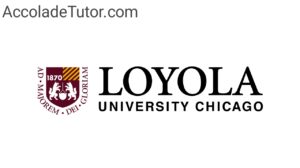
The official loyola university of chicago logo functions as the primary identifier for the university, consistently linking communications, publications, and official material to Loyola’s mission. It’s more than a symbol ― it’s a visual representation of Loyola’s heritage, values, and global recognition.
The Loyola brand identity guidelines describe strict rules governing how the logo is displayed and used in digital and printed material. The goal is simple: cohesive brand communication that reflects Loyola’s academic standards, spiritual identity, and visual uniformity.
Key Visual Elements
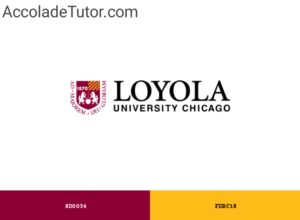
- Primary Mark – The official lockup that includes “Loyola University Chicago” in maroon and gold, reflecting the school’s official colors.
- Typography – Professional, legible typeface that complements academic and formal communications.
- Color Palette – Maroon and gold, Loyola’s official colors, signal prestige, tradition, and a cohesive brand palette.
The Loyola logo must always be used as provided by Loyola’s Marketing and Communication office. Altering, stretching, or incorporating the logo into personal or unapproved materials is prohibited.
The History Behind the Logo
Understanding the loyola university of chicago logo requires a short journey into history. Loyola’s graphic symbols trace back to the university’s founding by the Jesuits in 1870, with roots in the Catholic Church’s traditional heraldic crests.
The Jesuit heritage deeply influences the logo’s visual DNA. Many of Loyola’s emblematic elements ― such as the wolves and cauldron in the historic insignia associated with St. Ignatius of Loyola ― are part of the wider symbolic tradition tied to the Loyola name and identity even if not always present in the modern wordmark.
Modern iterations of the logo have emphasized clarity, readability, and consistent reproduction across various platforms. From ceremonial logos archived by the university to contemporary digital marks, each version conveys a thread of continuity in Loyola’s identity.
Evolution of the Loyola Logo
Over the decades, the university has transitioned its marks to stay current with design trends while maintaining connection to tradition. Earlier badges and crests were ornate and reflective of ceremonial use. Today’s primary logo leans into simplicity and adaptability for both print and digital contexts ― a necessity in a world where brand visibility spans social media, academic materials, and signage.
Logo Usage Guidelines and Why They Matter
Loyola University Chicago outlines detailed logo usage policies to ensure every representation aligns with its institutional standards. These guidelines cover everything from minimum size requirements to prohibited treatments of the mark.
Key usage notes include:
- The logo should be the starting point for any official material, whether digital, printed, or promotional.
- Only approved file versions should be used ― do not redesign, redraw, or create alternate marks.
- Units within the university (departments, schools, programs) should incorporate the official logo as specified in brand manuals.
- Misuse ― such as altering colors, combining with other trademarks, or adopting unapproved variants ― weakens the brand’s visibility.
Strict adherence to these principles ensures Loyola’s identity remains consistent around the world ― from academic publications to merchandise and digital platforms.
Logo in Athletics: The Ramblers Mark
For athletics, Loyola’s logo tradition extends into the iconic Rambler insignia. “Ramblers” refers to the university’s NCAA Division I athletic teams and carries its own visual representation that complements Loyola’s academic logo.
The Rambler athletic logo often incorporates a wolf head ― inspired by a heraldic symbol linked to the Loyola name ― paired with bold typeface and school colors.
Athletics logos serve dual purposes: rallying school spirit and aligning with the broader Loyola visual system. While these athletic marks are distinct, they must still respect overall brand standards when used.
Common Misconceptions About the Logo
There’s ongoing discussion within the Loyola community about logo design preferences and aesthetics, especially among students and alumni who interact with branded materials daily. For example, some voices within campus journalism have called for logo refreshes that reflect a different emotional tone or artistic vision.
However, it’s important to distinguish preference from brand consistency. A university logo is not simply an artistic expression ― it’s a carefully developed identity tool shaped by marketing strategy, legal trademarks, and institutional heritage. When properly used, the logo strengthens trust, recall, and institutional pride.
Tips for Using the Loyola Logo in Marketing and Design
If you’re incorporating the loyola university of chicago logo into projects like brochures, web pages, or academic publications, here are thoughtful best practices:
- Respect Clear Space: Always maintain recommended spacing around the logo to ensure visual impact and readability.
- Use Official Files: Download authorized logo files from Loyola’s Marketing and Communication resources or branded asset kits.
- Background Contrast: Choose backgrounds that allow the logo to stand out without distortion.
- Appropriate Context: Only use the logo in contexts where you have permission and consistency with the brand’s identity strategy.
Why the Loyola Logo Continues to Matter
More than just a wordmark or graphic, the loyola university of chicago logo embodies the institution’s legacy, values, and visual footprint. It’s an essential component of Loyola’s brand ecosystem, conveying professionalism, academic rigor, and global recognition wherever it appears.
From campus signage to digital platforms to promotional materials, Loyola’s logo is one of the most recognizable symbols associated with the university’s identity. It ties together diverse audiences ― students, alumni, faculty, and supporters ― under a unifying visual banner.
Want Personalized Help?
For further or personalized enquiries about Loyola University Chicago branding, academic identity, or use of logos in official communication, reach out via WhatsApp at +1 (734) 366-3749 (official number).
Related Reading
- Loyola University of Chicago Library: A Comprehensive Resource — explore Loyola’s academic hubs and how identity supports research success.
- University Of Chicago Handshake: A Student’s Gateway To Career Opportunities — while focused on a different university, this post illustrates how academic brands extend into student life and services.
- Contact Accolade Tutor Support ― for help with educational resources, admissions questions, and study tools.
Published February 2026 — This post offers a comprehensive look at how the Loyola University of Chicago logo functions as a visual cornerstone of identity, uniting tradition and modern design standards under a cohesive brand strategy.