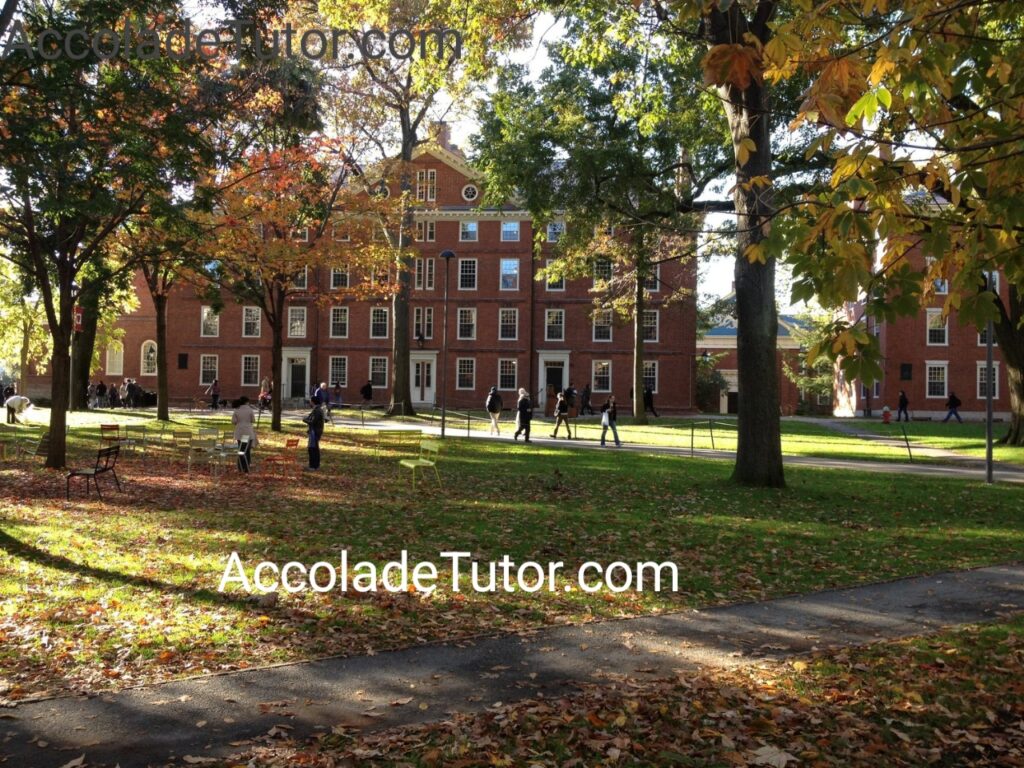
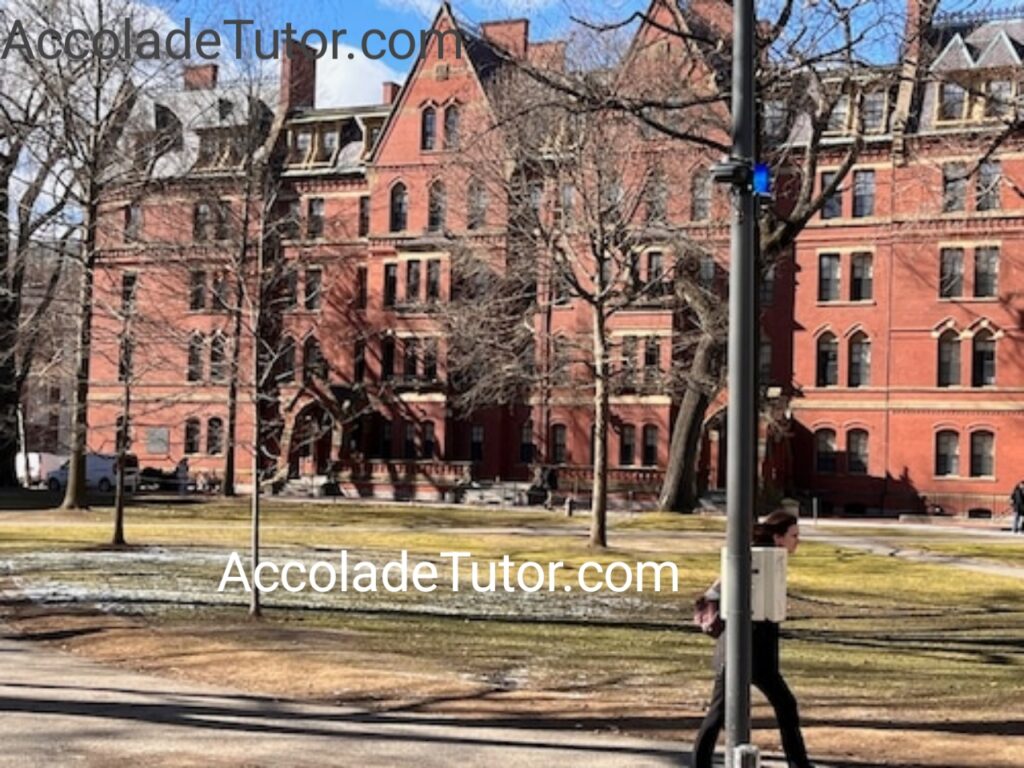
If you have ever searched online for Stanford University images, you already know how stunning and historically rich these visuals are. From its Romanesque architecture to modern research facilities, Stanford’s campus is one of the most photographed university grounds in the world. Whether you’re a prospective student, a researcher, a travel enthusiast, or a blogger looking for high-quality campus photos, this guide will help you understand where to find the best images, how to use them legally, and what each iconic landmark represents.
We’ll explore the most popular Stanford University images, where to download them in high resolution, how to use them properly in blogs and educational projects, and the stories behind the breathtaking visuals that define Stanford’s identity.
Why Stanford University Images Are in High Demand
Stanford is not just one of the world’s most respected research universities—its campus is also an architectural masterpiece. Students, alumni, tourists, and content creators frequently use Stanford University images for academic presentations, school applications, travel guides, and inspirational content.

Here are some reasons why demand for Stanford images keeps growing:
- Iconic architecture: From the Main Quad to Memorial Church, every corner reflects deep cultural and historical value.
- Naturally beautiful landscape: Palm Drive, Stanford Arboretum, and Lake Lagunita offer vibrant natural views.
- Popularity among international students: Students often search for images to prepare for applications or visualize campus life.
- Media and educational content: Websites and educators use the images for storytelling and academic documentation.
Top Stanford University Images You Should Know
Below are the most recognizable and visually stunning images you will commonly see when searching for Stanford University. Each location represents a piece of the institution’s history, architecture, and student culture.
1. The Stanford Main Quad
The Main Quad is perhaps the most photographed part of campus. Its sandstone arches, red-tiled roofs, and spacious courtyard make it the heart of Stanford’s architectural identity. Images of the Main Quad are perfect for blog headers, brochures, and academic presentations.
2. Hoover Tower
Hoover Tower stands tall as one of Stanford’s most iconic landmarks. With its distinctive 285-foot height and panoramic view of Palo Alto, images of Hoover Tower symbolize academic excellence and research prominence. These photos are commonly used in articles discussing Stanford’s history and global contributions.
3. Memorial Church
Memorial Church (also called “MemChu”) showcases stunning stained glass, mosaic walls, and Romanesque architecture. It is one of the most aesthetically rich locations on campus, making images of MemChu extremely popular for visual storytelling.
4. Stanford Dish Area
The Stanford Dish walking trail provides wide-open landscapes, hilltop views, and the famous radio telescope. Images of the Dish highlight the natural side of Stanford—ideal for lifestyle blogs, hiking resources, and student-life content.
5. Palm Drive
No visual representation of Stanford is complete without Palm Drive. The long, majestic stretch lined with towering palm trees creates a cinematic view that often appears in university publications and student travel blogs.
6. Stanford Libraries
Images of the Cecil H. Green Library and Lathrop Library often appear in educational and research-related blog posts. They symbolize academic strength, innovation, and knowledge.
7. Engineering and Research Facilities
The modern buildings of the School of Engineering, the Knight Management Center, and the STEM hubs show off Stanford’s progressive architecture. These images are especially useful for tech-related websites, STEM students, and research publications.

Where to Find High-Quality Stanford University Images
Finding the right images is crucial, especially if you need high-resolution visuals for a blog post, student project, or professional publication. Here are reliable places to source Stanford University images legally:
1. Official Stanford University Website
The university’s official media and communications pages often feature copyright-safe images for educational use. They offer the highest accuracy and quality.
2. Wikimedia Commons
A great place to find images under Creative Commons licensing. Many Stanford images here allow modification and reuse with proper attribution.
3. Stock Photo Websites
Platforms like Shutterstock, Getty Images, and Unsplash also provide professionally shot Stanford images. While some are free, premium photos usually require licensing.
How to Use Stanford University Images Legally
Before adding any image to your website or publication, you must ensure you have the rights to use it. Here are essential legal considerations:

- Check licensing terms—Creative Commons, royalty-free, or proprietary.
- Avoid using watermarked images unless you have purchased them.
- Provide attribution when required.
- Do not make misleading edits that distort the context of the image.
- Do not portray private individuals without permission.
For educational blogs, travel guides, and informational websites, Creative Commons licensed images are the best option.
The Beauty and Symbolism of Stanford’s Campus Architecture
The allure of Stanford University images comes not only from the aesthetics but also from the meaning behind each landmark. Stanford’s architecture blends Romanesque, Mission Revival, and modern designs, creating a unique harmony of history and innovation.
Here are a few symbolic elements you often see in photos:
- Sandstone walls — representing tradition and durability.
- Red-tiled roofs — symbolizing classic California Mission architecture.
- Open courtyards — promoting collaboration and free thinking.
- Modern glass buildings — reflecting Stanford’s commitment to future technologies.
Why Visual Content Matters for Prospective Students
Prospective students from around the world search for Stanford University images to visualize their dream campus. Photos help them:
- Understand the campus layout
- Imagine student life and academic environments
- Get inspired during application preparation
- Evaluate whether the campus fits their personality and goals
This is one reason Stanford’s visuals appear frequently on educational blogs, student forums, and university ranking websites.
Best Ways to Use Stanford University Images in Your Content
Images should serve more than just decoration—they must support the story you’re telling. Here are effective ways to incorporate Stanford visuals professionally:

1. Blog Headers and Thumbnails
A striking image of the Main Quad or Hoover Tower captures attention instantly.
2. Application Essays and Presentations
Students often include campus images to support their study-abroad motivations or academic narratives.
3. Social Media Content
Stanford photos perform extremely well on platforms like Instagram, Twitter, and LinkedIn due to their natural aesthetic appeal.
4. Travel or Education Websites
Images help readers get a visual feel of the campus and improve engagement time.
Inbound and Outbound Links
If you’re exploring more about Stanford, you may find these related guides helpful:
- Stanford University Application Deadlines
- Stanford University Arboretum Guide
- Official Stanford University Website
- Stanford University on Wikipedia
Conclusion
Stanford University images are more than just beautiful photos—they are visual representations of academic excellence, historical depth, architectural mastery, and cultural identity. Whether you’re preparing a research project, writing educational content, or simply exploring one of the world’s most renowned universities, these images can enrich your storytelling and provide valuable visual engagement.
By understanding where to find high-quality photos, how to use them responsibly, and what each campus landmark symbolizes, you can create more impactful, visually driven content. Use this guide as a resource anytime you need reliable and stunning Stanford University images for your work.