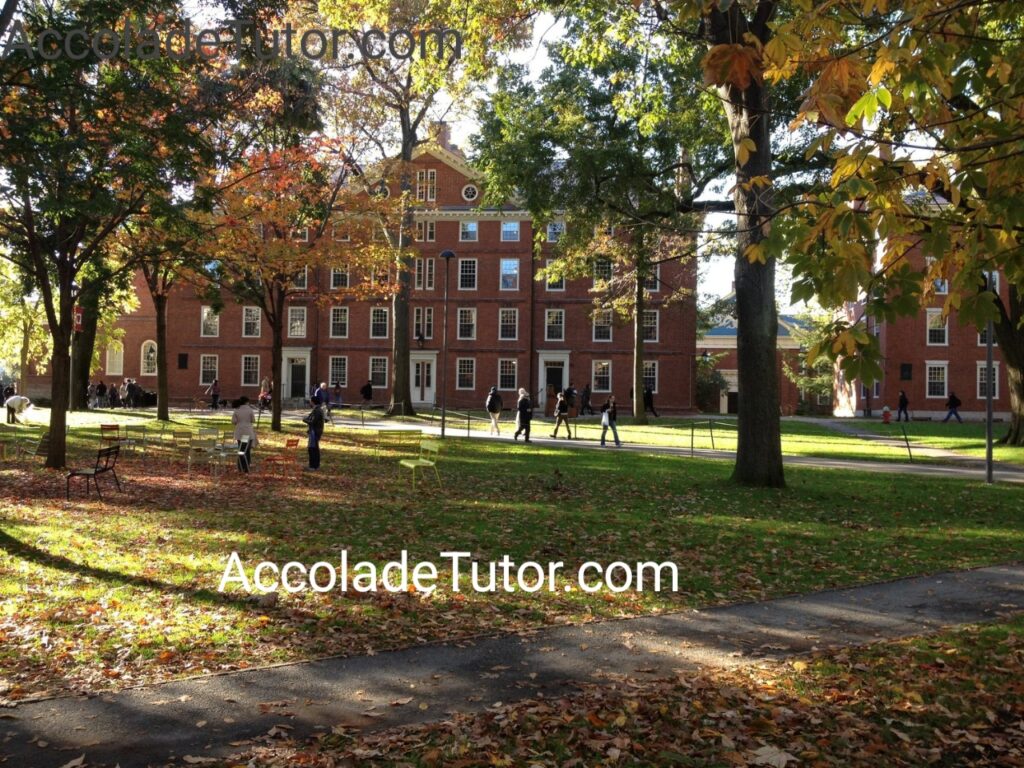
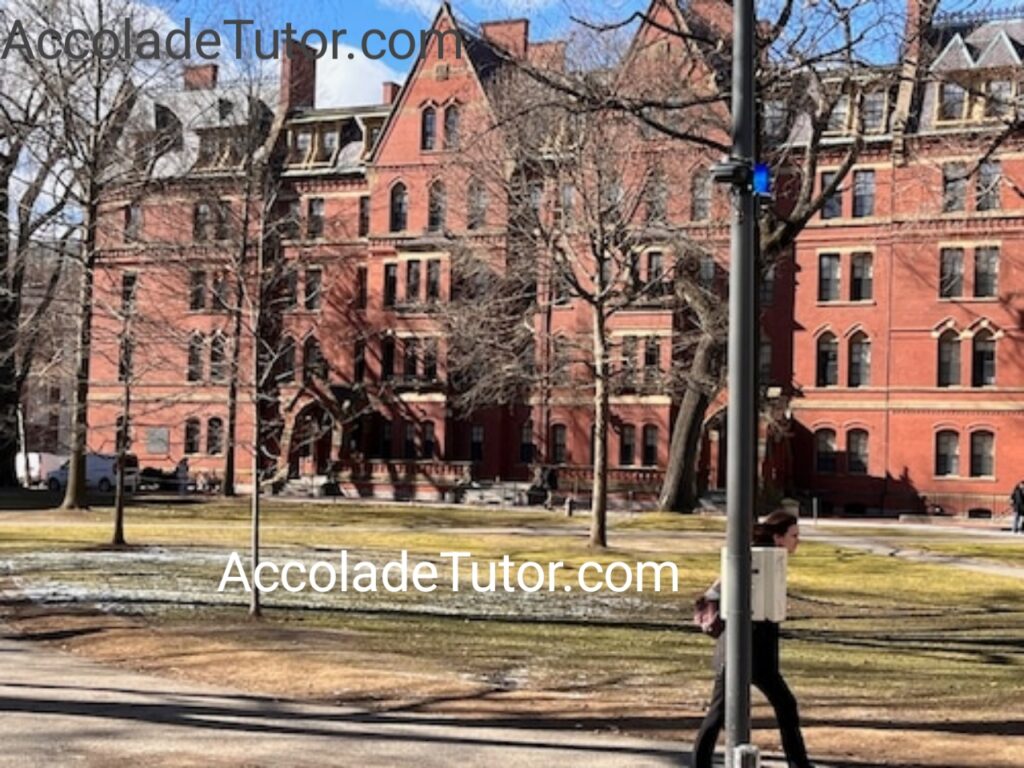
Harvard University experiences a classic New England climate — meaning four very distinct seasons.
From snowy winters to colorful autumns and warm summers, the weather at Harvard shapes student life, campus events, and even academic schedules. Whether you’re an international student or a local visitor, knowing what to expect month by month helps you plan smarter.
Where Is Harvard University Located?
Harvard University sits along the Charles River in Cambridge, just across from downtown Boston.
Its northeastern U.S. location means it experiences a humid continental climate, characterized by:
- Cold, snowy winters
- Mild to warm springs
- Hot and sometimes humid summers
- Cool, crisp autumns
This seasonal variation is a key factor when analyzing weather harvard university,
especially for students relocating from warmer regions or countries.
Weather Harvard University by Season
1. Winter (December – February)
Winter at Harvard is cold and snowy. Average temperatures typically range between
20°F to 40°F (-6°C to 4°C).
Snowfall is common, especially in January and February. Snowstorms can occasionally
disrupt travel plans, but the university is well-equipped to handle winter conditions.
Campus pathways are cleared quickly, and buildings are heated efficiently.
What to pack:
- Heavy winter coat
- Waterproof boots
- Gloves and scarves
- Thermal layers
Students coming from tropical climates should prepare mentally for shorter daylight hours and freezing temperatures.
2. Spring (March – May)
Spring weather at Harvard is unpredictable. Early March can still feel like winter, while May brings comfortable temperatures ranging between 50°F to 70°F (10°C to 21°C).
Rain showers are frequent during spring, so umbrellas become essential. However, by late April and May, Harvard Yard becomes vibrant with blooming trees and outdoor academic activities.
3. Summer (June – August)
Summer temperatures typically range from 70°F to 85°F (21°C to 30°C), though occasional heatwaves push temperatures higher.
Humidity can be noticeable, but it’s generally manageable. Summer sessions and campus tours are popular during this time due to pleasant weather conditions.
If you’re visiting Harvard for a campus tour, summer offers the most comfortable outdoor experience.
4. Fall (September – November)
Autumn is arguably the most beautiful season at Harvard. Temperatures range from
45°F to 70°F (7°C to 21°C), and the foliage transforms the campus into a picturesque scene.
Crisp air, moderate temperatures, and minimal rainfall make fall ideal for new students arriving for the academic year.

Monthly Weather Snapshot for Harvard University
Here’s a simplified breakdown of average conditions:
- January: Coldest month, heavy snow possible
- February: Snow and freezing winds
- March: Transition month, cold with rain
- April: Mild and rainy
- May: Pleasant and sunny
- June: Warm and comfortable
- July: Hottest month
- August: Warm and humid
- September: Mild and breezy
- October: Cool with fall colors
- November: Chilly and dry
- December: Cold with snowfall
How Weather Harvard University Affects Student Life
Weather significantly impacts daily routines at Harvard. During winter, students spend more time indoors studying in libraries and academic buildings. Summer encourages outdoor activities, while fall supports sports events and campus festivals.
Harvard’s infrastructure ensures academic continuity regardless of weather conditions. Heating systems, indoor facilities, and reliable transport help minimize disruptions.

Best Time to Visit Harvard University
The best months to visit are May, September, and October. These months offer comfortable temperatures and scenic campus views.
Prospective students often combine their visit with weather research and admission preparation. If you’re exploring elite university admissions, you may also find helpful resources on
Harvard University Waitlist 2026.
How to Check Real-Time Weather Harvard University
For accurate forecasts, consider these trusted platforms:
- The Weather Channel – Cambridge, MA
- AccuWeather – Cambridge Forecast
- National Oceanic and Atmospheric Administration (NOAA)
Checking forecasts regularly helps you prepare properly for sudden changes, especially during transitional seasons.
Tips for International Students Preparing for Harvard Weather
Many students from warmer countries find winter at Harvard challenging at first. Preparation makes all the difference:
- Invest in high-quality winter clothing before peak winter.
- Learn how to layer clothing effectively.
- Monitor local forecasts during snow seasons.
- Prepare for occasional travel delays due to storms.
If you need personalized admission and relocation guidance, you can reach out via +1 (734) 366-3749 for further enquiries.
Comparing Harvard Weather to Other U.S. Universities
Compared to universities in California or Florida, Harvard experiences significantly colder winters. However, compared to Midwest schools like those in Chicago, Harvard’s winter is relatively moderate.
If you’re considering multiple institutions, you may also want to explore related academic resources such as:
Climate Change and Long-Term Weather Trends in Cambridge
Like many cities in the northeastern United States, Cambridge has experienced gradual warming trends over the past decades. Winters remain cold but may show variability in snowfall patterns.
Long-term climate data can be accessed through NOAA and regional meteorological institutions.

Final Thoughts on Weather Harvard University
The weather harvard university experience is dynamic, seasonal, and deeply woven into campus culture. From snow-covered courtyards in winter to golden foliage in autumn, each season offers a distinct atmosphere.
Preparing for these seasonal shifts ensures comfort, academic focus, and a smooth campus experience. Whether you’re visiting, enrolling, or relocating, understanding Harvard’s weather patterns puts you ahead.
For personalized guidance about Harvard admissions, campus life, or relocation planning, contact the official support line via
+1 (734) 366-3749.