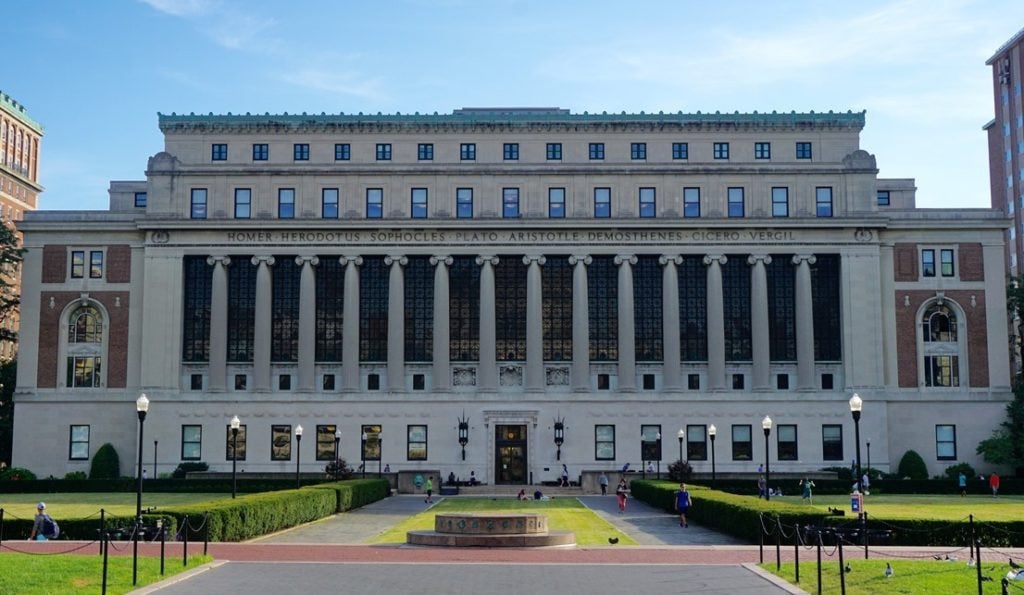
Columbia University TAs replaced — three simple words with complex implications for one of the world’s most prestigious universities. In 2025, Columbia University in New York became the center of controversy when it withdrew teaching duties from dozens of graduate student TAs (teaching assistants) and replaced them with nonunion adjunct faculty and external lecturers. This move has ignited debate among educators, students, labor advocates, and university administrators globally.
But what exactly does Columbia University TAs replaced mean for students, academics, and the future of university teaching models? Let’s break down the context, reasons, controversy, and consequences in clear, accessible terms.

Understanding the Role of TAs at Columbia University
At Columbia, teaching assistants play vital roles in undergraduate and graduate education. Typically, graduate students serve as TAs to reinforce classroom instruction, lead discussion sections, grade assignments, and sometimes even teach courses themselves, especially in foundational Core Curriculum subjects. These positions aren’t just about teaching — they provide essential financial support and professional experience for Ph.D. candidates and other graduate students.
Over the years, Columbia’s teaching assistant system has been closely tied to labor contracts and union agreements, reflecting a national conversation about how universities compensate and treat student workers.
Why Were Teaching Assistants Replaced?
In the summer of 2025, the administration at Columbia University informed about 140 unionized graduate student workers that their teaching roles for the upcoming semester would no longer be offered. Instead of performing their usual duties, these graduate TAs were removed from teaching assignments, even though many continued to receive stipend payments.
To cover the gap, the university began recruiting external lecturers — including nonunion adjunct faculty, postdocs, and graduate students from other universities — to step in and teach classes that had previously been overseen by internal TAs.
Columbia administrators publicly characterized this shift as an effort to reduce teaching burdens on graduate students, allowing them more time to focus on dissertation research and academic progress. However, critics argue the timing and context suggest a deeper motive tied to labor negotiations and strategic positioning vis-à-vis the graduate student union.
The Labor Context: Union Talks and Contract Negotiations
Graduate student TAs at Columbia are represented by the Student Workers of Columbia — United Auto Workers Local 2710 (SWC-UAW). This union represents thousands of teaching assistants, research assistants, and other student employees across the university. Contract negotiations between SWC and the university have been ongoing, with a key contract expiring mid-2025.
According to reports, Columbia and the union have been unable to agree on a successor labor contract, and some of the issues under negotiation include wages, benefits, work terms, and broader protections for student workers. During this stalemate, TAs have argued that eliminating their teaching roles weakens the union’s leverage and undermines their collective bargaining power.
This dispute reflects a larger trend in higher education where universities wrestle with costs, labor dynamics, and the evolving role of contingent and unionized teaching staff on campus.
Impact on Students and Academic Quality
For undergraduates, TAs often represent the most accessible point of academic support: they lead small group discussions, answer questions one-on-one, and help manage the pace of large lecture courses. With the replacement of TAs by nonunion adjuncts or external lecturers — who may be less familiar with Columbia’s pedagogy or institutional culture — the student experience may shift noticeably.
Moreover, graduate students who lose TA positions often forfeit crucial teaching experience and financial stability, potentially affecting their competitiveness in academic job markets and their ability to complete degrees on time. Faculty critics have warned that eliminating graduate teaching roles could ultimately undermine the quality of Columbia’s doctoral programs and research communities.
Meanwhile, some Columbia administrators insist that the changes will allow graduate students more time to concentrate on research and doctoral milestones. Whether this balance preserves academic quality or shifts burdens elsewhere remains a subject of active debate.
Broader Context: Higher Education and Labor in 2025
The Columbia TA story isn’t happening in a vacuum. Across U.S. universities, teaching assistant roles, adjunct contracts, and graduate labor rights have become flashpoints in discussions about how higher education ought to function in the 21st century. Rising tuition, shrinking state support, and national debates about unionization have put pressure on institutions to rethink staffing models and budget allocations.
In many cases, universities have faced criticism for hiring part-time contingent faculty at low pay instead of investing in graduate student instructors — a trend that labor rights advocates argue devalues educational labor and widens inequity in academia.
At Columbia, the debate over TAs intersects with broader political and institutional upheavals on campus, including controversies over governance, student activism, and federal funding pressures. These ongoing challenges highlight how academic staffing decisions resonate far beyond classroom walls.
What This Means for Columbia’s Future
As the university and its graduate workers work toward contract resolutions and labor peace, the stakes remain high. For graduate students, securing meaningful teaching opportunities and fair compensation will likely remain central to their educational and professional ambitions. For the institution, balancing academic excellence, fiscal sustainability, and equitable labor practices will shape its reputation and academic mission in years to come.
One thing is clear: the phrase Columbia University TAs replaced captures far more than a staffing change — it reflects an evolving landscape of labor, education policy, and the future of teaching in one of America’s most influential universities.
Helpful Resources
- Inside Higher Ed – Independent reporting on higher education, including labor and staffing shifts at major universities.
- Chronicle of Higher Education – In-depth analysis of academic labor trends and university news.
- Jacobin Magazine Education Coverage – Commentary on labor and union issues within academia.
- Columbia University Applicant Portal