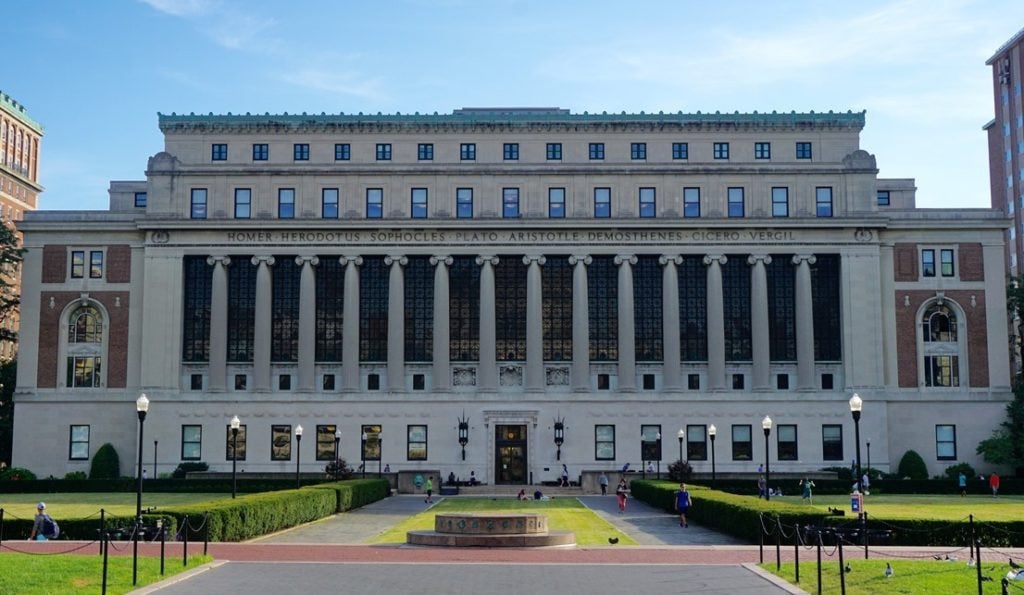
Columbia University is globally renowned for pioneering research across science, policy, and public health. Among its many interdisciplinary engagements, the topic of columbia university mercury emerges as an important intersection of environmental science, toxicology, chemistry, and institutional safety. Though the phrase may sound abstract at first, it encompasses vital research, responsible handling practices, and community education around mercury — a naturally occurring but highly toxic element.
Understanding Mercury: Nature, Properties, and Risks
Mercury is a chemical element unique among metals because it remains liquid at room temperature. Historically referred to as “quicksilver,” it has been used in thermometers, barometers, dental amalgams, industrial catalysts, and electrical devices. However, mercury’s utility comes with serious risks. When released into the atmosphere or water systems, it can transform into methylmercury — a potent neurotoxin that accumulates in food chains, especially in fish and seafood. Chronic exposure has been linked to neurological, developmental, and reproductive harm in humans and wildlife.
At Columbia University, scientists from departments spanning Earth and Environmental Sciences, Chemistry, and Public Health examine mercury at multiple scales — from molecular behavior to global emissions patterns. This work not only deepens scientific understanding but helps shape real-world policies and community practices to minimize mercury’s harms.
Columbia University’s Research on Mercury
Columbia leads several research efforts that touch on mercury, addressing both fundamental science and applied environmental concerns. For instance:
- Environmental fate and transport: Researchers track how mercury moves through ecosystems, from industrial emissions to deposition in soils and aquatic systems. Understanding these pathways is critical to protecting water quality and food safety.
- Toxicology and public health: Faculty at the Mailman School of Public Health study how mercury exposure affects human health, especially in vulnerable populations like pregnant women and children. This research informs public advisories on fish consumption and exposure reduction strategies.
- Historical climate and planetary science: Through projects like those supported by the Columbia Climate School, scientists examine ancient and modern mercury signatures to understand past environmental change and predict future trends.
These lines of research contribute not just to academic scholarship but to policy briefs, environmental monitoring programs, and collaborations with government and non-profits focused on reducing toxic exposures.

Mercury Safety Practices within the University
Handling mercury safely is a core priority on Columbia’s campuses. Laboratories in chemistry, biology, and environmental sciences often contain instruments or supplies with trace amounts of mercury. To mitigate risk:
- Columbia’s Environment, Health & Safety (EH&S) division manages mercury-containing equipment, ensuring proper labeling, storage, and disposal.
- Mercury spill protocols are standardized — small spills can be contained with absorbent materials, while larger incidents are handled by trained EH&S personnel to protect health and property.
- Recycling programs exist for mercury thermometers, sphygmomanometers, and dental amalgam waste to prevent environmental release and support sustainability goals.
This systematic approach aligns with broader efforts to safely manage hazardous materials in academic settings and reflects Columbia’s leadership in institutional responsibility.
Mercury and Public Health: From Campus to Community
Mercury’s risks extend far beyond laboratory walls. The Mailman School of Public Health emphasizes that mercury can damage developing brains and nervous systems, particularly in unborn children and infants exposed through maternal pathways. This research underscores why public health interventions focus on reducing exposure — especially through diet and consumer products.
Globally, mercury pollution remains a pressing concern. Coal burning, artisanal mining, and waste incineration release hundreds of tons of mercury into the atmosphere annually, where it can travel long distances before depositing on land or water. Once in aquatic systems, mercury can be transformed into methylmercury, readily taken up by fish and other organisms — making its way into human diets. Reducing emissions and exposure is a major public health, environmental justice, and policy challenge worldwide.

Policy, Regulation, and Mercury Awareness
Scientific research at Columbia informs local, national, and international policy discussions. For example, studies of mercury emissions help environmental agencies refine air quality standards and fish consumption advisories. Columbia experts engage with stakeholders to assess how changes in mercury regulations could influence human health and ecosystem integrity.
Students and faculty also participate in forums, workshops, and public lectures addressing long-term mercury reduction strategies and risk communication — a clear example of how academic inquiry translates into societal impact.
Mercury in Chemistry and Material Science
Within Columbia’s Department of Chemistry — based at iconic campus facilities like Havemeyer Hall — mercury’s chemical properties continue to be a subject of investigation. Faculty research often explores organometallic complexes and bond reactivity involving mercury compounds, advancing both fundamental knowledge and practical applications.
While modern chemistry increasingly moves away from hazardous substances like mercury in industrial applications, understanding its chemistry remains critical. This knowledge supports safer material design and environmental remediation strategies.
Student Opportunities and Campus Life
Beyond research labs, students interested in environmental science or toxicology can access a range of academic pathways at Columbia. Whether through undergraduate majors that explore Earth and Environmental Sciences or graduate programs in Public Health and Chemical Sciences, learners get opportunities to engage with real-world issues like mercury pollution.
Prospective students might also explore other facets of life at Columbia, from academic resources to residential life. For example, Butler Hall serves as a historic residence that reflects the university’s past and present student experience. Learn more about campus living at Columbia by visiting this McCosh Hall Princeton University post on Accolade Tutor.
If you’re navigating admission processes or planning your academic journey at Columbia, check out this comprehensive guide to the Columbia University Admissions Portal from Accolade Tutor — a helpful complement to your research interests.
Practical Tips for Reducing Mercury Exposure
While research and policy are crucial, individual actions matter too. Here are some evidence-based steps to minimize mercury exposure:
- Choose fish with low mercury levels, such as salmon, shrimp, and pollock.
- Avoid products containing mercury or labeled with “azogue” in their ingredients.
- Properly dispose of old thermometers, fluorescent lamps, and batteries through local hazardous waste programs.
- When handling chemical materials in academic or professional settings, always use appropriate protective gear and follow institutional EH&S guidelines.
These steps help protect personal health and contribute to broader environmental stewardship goals.
Conclusion: Why Columbia University Mercury Matters
“Columbia University mercury” is more than a search term — it captures a landscape of research, education, safety, and public impact anchored at one of the world’s leading institutions. From deep scientific inquiry into mercury’s behavior to community outreach and sustainability practices, Columbia’s engagement with mercury demonstrates how universities can lead on complex environmental health challenges.
Whether you’re a prospective student, researcher, or concerned citizen, understanding how mercury interacts with scientific, policy, and human systems equips you for informed action. As research continues and global environmental needs evolve, insights from institutions like Columbia University will remain essential in protecting ecosystems and human health for generations to come.