If you’re a prospective student, a parent, or simply intrigued by Ivy League culture, understanding harvard university final clubs goes beyond gossip. Their origins, membership structure, social influence, and recent reforms all paint a complex picture worth exploring.
What Are Harvard University Final Clubs?
Harvard university final clubs are private, single-gender social organizations historically associated with Harvard College, the undergraduate arm of Harvard University. They are not officially recognized by the university, yet they have operated for over two centuries.
The term “final club” comes from the 19th century, when students would join successive social clubs during their time at Harvard. The last club they joined was considered their “final” club — hence the name.
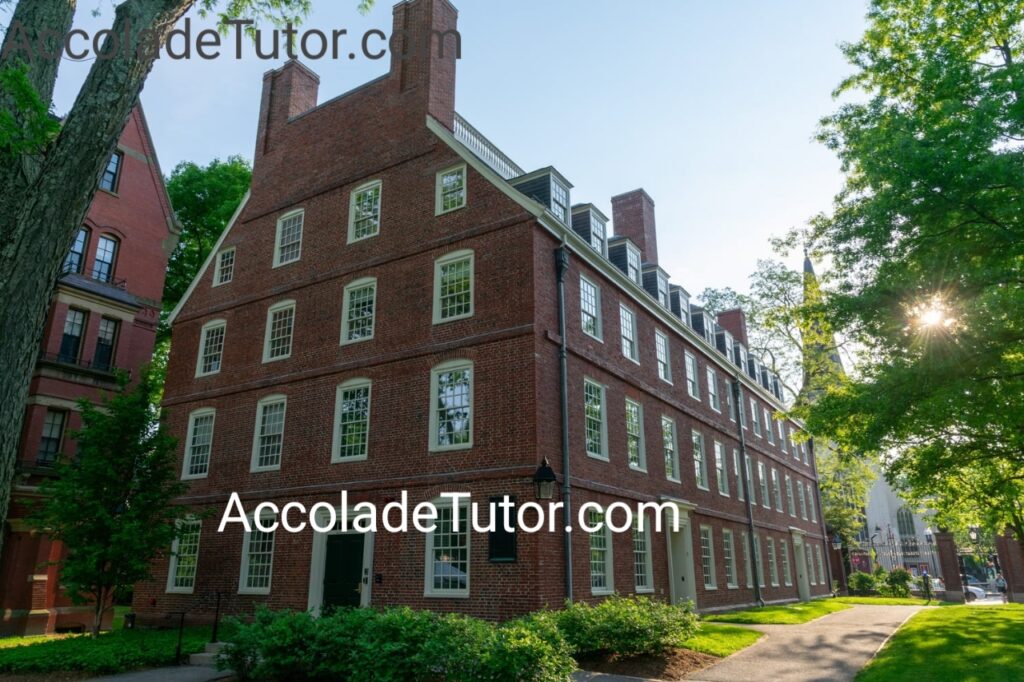
Unlike fraternities and sororities common at many U.S. universities, harvard university final clubs function independently from national Greek systems. They operate as standalone private organizations with their own alumni boards, finances, and properties — many of which are located in Cambridge, Massachusetts.
Historical Background of Harvard University Final Clubs
The roots of harvard university final clubs trace back to the late 1700s. Over time, several clubs emerged, some of which still exist today. These organizations became prominent gathering places for socially and academically influential students.
Historically, membership was highly selective and often invitation-based. Many members came from affluent or well-connected families. Throughout the 19th and early 20th centuries, final clubs became closely linked with political leadership, finance, academia, and corporate power networks in the United States.
Some of America’s most notable leaders have reportedly been associated with final clubs, contributing to their mystique and enduring reputation.
Notable Harvard University Final Clubs
Several harvard university final clubs have gained recognition over the years. While their internal operations remain private, their names are widely known:
- Porcellian Club – Often considered the most prestigious and secretive.
- Fly Club – Known for its historic clubhouse near Harvard Square.
- A.D. Club (Alpha Delta) – One of the more socially active clubs.
- Fox Club – Another long-standing organization with influential alumni.
Each club has its own traditions, social events, and alumni connections. Some own historic buildings used for private gatherings, dinners, and networking events.
How Do Harvard University Final Clubs Operate?
Although harvard university final clubs are separate from Harvard administration, they typically recruit members from sophomore classes. The selection process — sometimes called “punching” — involves invitations to social events, followed by interviews and private voting by current members.
Membership can include:
- Private social events
- Exclusive networking opportunities
- Access to club facilities
- Alumni mentorship connections
Because these clubs are privately funded, they often rely heavily on alumni donations. Their independence allows them to operate outside university rules, though that autonomy has also led to friction with university leadership.
Controversy Surrounding Harvard University Final Clubs
No discussion of harvard university final clubs would be complete without addressing controversy.
Gender Exclusivity
Traditionally, most final clubs were single-gender and male-dominated. Critics argued that this structure reinforced inequality and limited access to powerful social networks.
Socioeconomic Barriers
Membership costs, legacy admissions, and informal selection processes raised concerns about elitism and social stratification within Harvard College.
University Sanctions
In 2016, Harvard implemented policies discouraging students from joining single-gender social organizations. Students affiliated with such groups faced leadership restrictions and endorsement limitations. However, legal challenges eventually led to policy reversals in 2020.
Today, some clubs have transitioned to gender-inclusive models, while others remain private single-gender organizations operating independently.
Are Harvard University Final Clubs Like Fraternities?
While comparisons are common, harvard university final clubs differ from traditional fraternities in several ways:
- They are not part of a national Greek system.
- They own private property in Cambridge.
- They operate entirely outside university governance.
- They emphasize alumni networking at an elite level.
That said, socially, they serve similar functions — hosting events, fostering friendships, and creating lasting bonds among members.
The Influence of Harvard University Final Clubs
One reason harvard university final clubs remain widely discussed is their influence. Alumni networks from these clubs often extend into:
- Politics
- Finance
- Technology
- Law
- Academia
These networks can offer mentorship, career introductions, and business partnerships. Critics argue this perpetuates elite gatekeeping, while supporters see it as an extension of normal alumni networking culture found in many institutions.
Student Perspectives on Harvard University Final Clubs
Opinions among Harvard students vary significantly.
Some view harvard university final clubs as outdated institutions that no longer reflect modern campus values of inclusivity and diversity. Others see them as optional social outlets that provide meaningful friendships and professional connections.
It’s important to note that a majority of Harvard students do not belong to final clubs. The campus offers hundreds of recognized student organizations, academic societies, and cultural groups that operate openly under university oversight.
Should Prospective Students Be Concerned?
If you’re considering applying to Harvard, understanding campus culture matters. However, admission decisions are not tied to final club membership. In fact, many successful students and alumni have never been affiliated with these organizations.
For those researching Harvard admissions competitiveness, you may find this helpful:
What Is the Acceptance Rate at Harvard University?
Financial planning is also essential when considering Ivy League schools. Explore related insights here:
Harvard University Professor Salary
And for a broader understanding of Harvard’s traditions and symbols, you may enjoy:
Harvard University Pennant Guide
Modern Reforms and the Future of Harvard University Final Clubs
In recent years, pressure for transparency and inclusivity has influenced how harvard university final clubs operate. Some organizations have opened membership to all genders. Others continue to function privately but with less public visibility.
As higher education evolves, these clubs face increasing scrutiny. Conversations about privilege, diversity, and institutional culture continue shaping their trajectory.
Whether they fade, reform, or maintain their traditional structure, harvard university final clubs remain part of Harvard’s social history.
External Resources for Further Reading
- The Harvard Crimson – Student journalism covering campus debates.
- Harvard Crimson Special Report on Final Clubs
- The New York Times – National coverage on elite college social organizations.
Frequently Asked Questions About Harvard University Final Clubs
Are harvard university final clubs officially part of Harvard?
No. They are private organizations and operate independently from Harvard University administration.
Can freshmen join harvard university final clubs?
Typically, recruitment occurs during sophomore year.
Do final clubs impact academic performance?
There is no official data linking membership to academic outcomes. Academic success at Harvard depends on personal effort and engagement.
Are there female final clubs?
Yes, historically there have been female social organizations. Some clubs have transitioned to gender-inclusive membership models.
Final Thoughts on Harvard University Final Clubs
The story of harvard university final clubs is neither simple nor one-dimensional. They are rooted in centuries of tradition yet entangled in modern debates about equity and privilege. For some students, they offer community and connection. For others, they represent structures better left in the past.
What remains clear is this: final clubs are only one small part of Harvard’s vast ecosystem. Academic excellence, research innovation, global leadership training, and student diversity define the institution far more broadly than any private social organization.
If you need personalized guidance about Harvard admissions, campus life, or Ivy League preparation, reach out via WhatsApp:
+1 (734) 366-3749 (Official Contact for Enquiries).