Princeton follows a distinctive academic structure that reflects its long tradition and commitment to focused learning. Unlike many universities that operate strictly on semesters, Princeton uses a term-based system with carefully planned teaching periods and assessment windows.
Overview of Princeton University’s Academic Structure
The academic year at Princeton is divided into two main terms: the Fall Term and the Spring Term. Each term includes a set number of instructional weeks, followed by a dedicated examination period. There is also an important feature known as Reading Period, which allows students to prepare thoroughly before exams begin.
This structure is designed to balance academic intensity with periods of rest and reflection. It encourages steady engagement during the term and deep concentration during assessment periods.
Fall Term at Princeton University
The Fall Term usually begins in late August or early September. Before formal classes start, new students arrive on campus for orientation activities, placement assessments, and advising sessions. Returning students typically arrive shortly after.
Key components of the Fall Term include:
- Opening of classes and add-drop period
- Midterm assessments and progress checks
- Thanksgiving recess
- Reading Period
- Final examinations
Thanksgiving break is a notable pause during the term, giving students time to travel or rest before the final stretch of the semester. After classes end, Reading Period provides several days without lectures, allowing students to focus entirely on revision and coursework.

Spring Term at Princeton University
The Spring Term usually starts in January, shortly after the winter break. It mirrors the Fall Term in structure but includes additional milestones tied to graduation and end-of-year activities.
Important elements of the Spring Term include:
- Resumption of classes after winter recess
- Spring break, typically in March
- Junior independent work deadlines
- Senior thesis submissions
- Final examinations and Commencement
Spring break offers a longer pause compared to Thanksgiving, giving students a chance to recharge before the final academic push. For seniors, the Spring Term is especially significant due to thesis defenses, final submissions, and graduation ceremonies.
Reading Period and Examination Schedule
A defining feature of the Princeton University academic calendar is Reading Period. This dedicated time between the end of classes and the start of final exams is highly valued by students and faculty alike.
During Reading Period:
- No regular classes are held
- Libraries and study spaces extend their hours
- Students focus on revision, papers, and projects
Final examinations follow Reading Period and are spread over several days. Princeton avoids scheduling exams back to back whenever possible, helping students perform at their best.
Breaks and Recesses During the Academic Year
The academic calendar includes several breaks that support student well-being and academic balance.
Winter Recess
Winter recess begins after Fall Term examinations and extends into January. This is the longest break in the academic year and allows students time for rest, internships, research, or family commitments.
Spring Break
Spring break occurs midway through the Spring Term. It offers a pause from coursework and is often used for travel, service projects, or independent study.
Thanksgiving Recess
This shorter break takes place in late November. While brief, it provides a welcome rest before Reading Period and final exams.
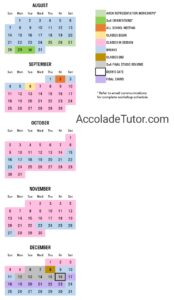
Academic Calendar for Graduate Students
While undergraduate students follow the standard term calendar, graduate programs may have variations depending on department and field of study. Some graduate courses align closely with the undergraduate schedule, while others operate on different timelines, especially in research-focused programs.
Graduate students are advised to consult both the central academic calendar and their departmental schedules. This approach ensures clarity around coursework, teaching responsibilities, and research milestones.
Why the Academic Calendar Matters
The Princeton University academic calendar influences more than just class dates. It affects housing contracts, meal plans, financial aid disbursements, and eligibility for campus employment.
Careful attention to the calendar helps students:
- Plan course workloads effectively
- Meet registration and drop deadlines
- Schedule travel without missing key academic dates
- Prepare early for exams and major submissions
Parents and guardians also benefit from understanding the calendar, particularly when planning visits or supporting students during busy periods.
Accessing the Official Princeton Academic Calendar
Princeton University publishes its official academic calendar online, with updates released well in advance. The calendar includes exact dates for classes, exams, holidays, and Commencement.
For the most accurate and up-to-date information, students and visitors should consult Princeton’s official academic planning resources on the university website.
You may also find it helpful to compare Princeton’s schedule with other institutions. Academic support platforms such as
Accolade Tutor provide broader insights into academic planning, standardized tests, and university timelines.
Planning Ahead Using the Academic Calendar
Successful students often use the academic calendar as a planning tool rather than a reference checked only when deadlines approach. Marking key dates early helps spread workload evenly across the term.
Some students create personal study calendars aligned with the university schedule. Others use academic advising services or external resources like
college guidance support to stay organized and focused.
Independent Work and the Academic Timeline
Independent work is a hallmark of a Princeton education. Junior papers and senior theses are carefully woven into the academic calendar, with clear submission and evaluation periods.
These milestones require long-term planning. The academic calendar provides the framework, but students are encouraged to begin research and writing well before official deadlines.
Final Thoughts on the Princeton University Academic Calendar
The Princeton University academic calendar reflects the institution’s commitment to structured learning, academic rigor, and student well-being. Its thoughtful design allows time for deep study, meaningful breaks, and careful assessment.
Whether preparing for your first year, navigating graduate studies, or simply seeking clarity on important dates, familiarity with the calendar makes academic life more manageable. By checking official updates regularly and planning ahead, students can make the most of their time at Princeton University.
For further reference, visit Princeton University’s official academic planning pages and trusted educational resources that support long-term academic success.