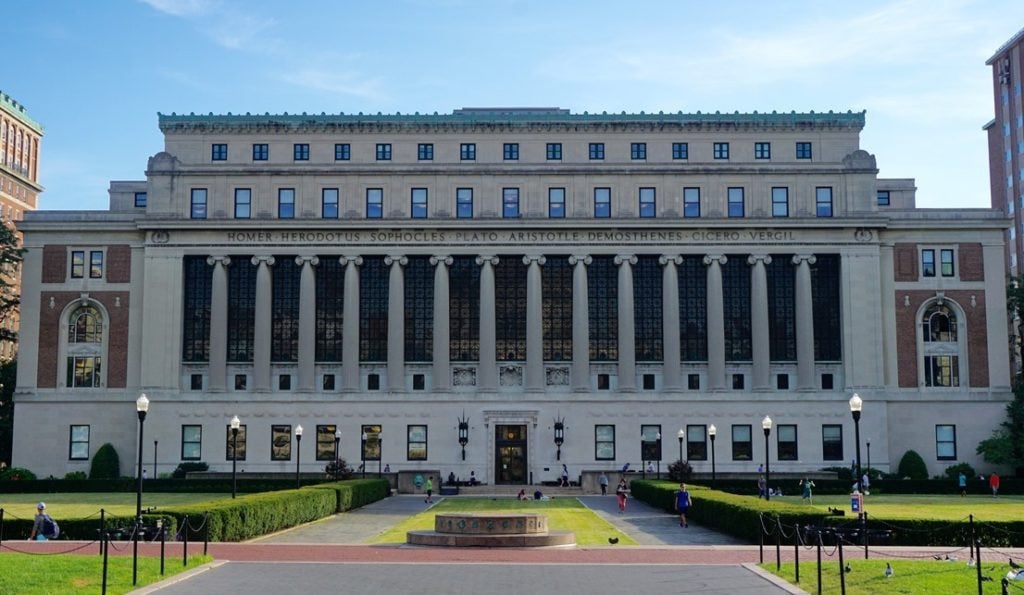
Steeped in tradition, heritage, and achievement, vintage Columbia University holds a special place in the story of American higher education. Founded in 1754 as King’s College, this Ivy League institution has evolved from colonial origins into a global powerhouse of research, culture, and academic innovation. What remains timeless — from its historic buildings to the rituals and campus experiences — reflects a legacy that continues to shape generations of scholars and world leaders.
Origins and Early History: From King’s College to Columbia
Columbia University’s journey began with a royal charter granted by King George II of Great Britain in 1754, establishing King’s College in the burgeoning city of New York City. The original campus stood near Trinity Church on lower Broadway, where early classes were held. However, the American Revolution interrupted the college’s operations — and when it reopened in 1784, it was renamed Columbia College, reflecting the spirit of a newly independent nation.
The transition from King’s College to Columbia College marked a turning point. Not only did the university adapt to political change, but it also laid the groundwork for its enduring intellectual culture. By the mid-19th century, Columbia had become firmly established among America’s top institutions, drawing scholars from across the country and overseas.
Today’s understanding of Columbia’s historic evolution is preserved through institutional initiatives like the Columbia University Archives, which houses documents, rare photographs, and artifacts spanning from the 18th century to modern times.
A Relocation That Redefined the Campus
Perhaps one of the most transformative decisions in Columbia’s history was the relocation to its current Morningside Heights campus in 1897. Under the leadership of President Seth Low, the university moved north from its crowded midtown location to a sprawling urban academic village that could support future growth.
This relocation created a fresh canvas for architects who could envision buildings that would not only serve practical purposes, but also embody intellectual aspiration. The firm McKim, Mead & White was commissioned to design the campus with classical influences — blending Renaissance, Beaux-Arts, and Neo-classical elements for structures that still stand today.
Read Also: COLUMBIA UNIVERSITY MASCOT
Architectural Heritage: Icons of Vintage Columbia University
Walking the campus of vintage Columbia University is like traversing a museum of architectural history. Each building tells a story of academic ambition, cultural influences, and a deep respect for time-tested design.
Low Memorial Library
Centered on Low Plaza, this iconic domed structure is perhaps the most recognizable symbol of Columbia. Designed with Roman classical inspirations, it anchored President Low’s vision for the new campus. Although it no longer houses a traditional library collection, Low Memorial Library remains a focal point for university ceremonies and exploration.
Havemeyer Hall
Constructed between 1896 and 1898, Havemeyer Hall is one of the earliest academic buildings on the Morningside Heights campus. It is not only historic for its academic use but also culturally significant: many important chemistry discoveries were made here, and its grand lecture hall has appeared in major films like Spider-Man and Ghostbusters.
Pupin Hall
Pupin Hall — constructed in the 1920s — stands as a landmark of scientific achievement. It was here that pioneering nuclear research took place, including some of the first atom-splitting experiments in the United States.
Earl Hall and Philosophy Hall
Other notable buildings like Earl Hall and Philosophy Hall capture different aspects of Columbia’s cultural heritage. Earl Hall has historic links to student religious life and LGBTQ+ activism, while Philosophy Hall is known for both its architectural beauty and early technological breakthroughs.
Buell Hall
As the oldest building on the Morningside Heights campus, Buell Hall connects modern Columbia with its pre-university history — originally serving as part of the Bloomingdale Insane Asylum before Columbia acquired the land in the late 19th century.
Nostalgic Snapshots: Vintage Campus Life and Photographic Records
Beyond buildings, the vintage feel of Columbia University is often captured through old postcards, photographs, and student memorabilia. Collections featuring scenes from the late 19th century to the mid-20th century reveal everyday campus life: trolley cars running along Broadway, early athletic fields, and street scenes surrounding the university.
These visual archives not only chart architectural changes but also preserve moments of community life — from commencement days to festive gatherings that become cherished traditions.
Tradition and Cultural Continuity
Some aspects of campus culture at Columbia transcend decades. The steps of Low Library remain a gathering place for students, the academic calendar echoes with well-established rituals, and ceremonies trace their roots back generations. These traditions act like connective tissue — bridging the vintage era with the present day.
For students today, participating in time-honored rituals like convocation and commencement is more than a formality; it’s a tangible link to the heritage that once shaped thinkers such as Alexander Hamilton, Barack Obama, and other luminaries.

Vintage Columbia University’s Place in Modern Research and Innovation
While the campus’ physical environment reflects history, Columbia University has never rested solely on its legacy. From breakthroughs in physics to global media impact, the institution remains at the forefront of modern scholarship. This blend of vintage heritage and cutting-edge research embodies the dual identity of an institution grounded in tradition yet shaping the future.
Such duality explains why Columbia’s archives — which preserve documents, records, and artifacts from its early years — are not just academic repositories but living resources for research in history, social science, and cultural studies. 10
Exploring Columbia Today: What Vintage Elements Still Shine
If you visit Columbia’s Morningside Heights campus today, you’ll experience both modern vibrancy and vintage charm. From the subway station at 116th Street — a portal into the university neighborhood — to tree-lined quads and historic façades, the area embodies a fusion of urban dynamism and Old World elegance.
Strolls along College Walk recall the pedestrian routes once shared with early 20th century students; plaques and sculptures scattered throughout campus invite deeper reflection on milestones achieved here. Each corner of the campus — whether a lecture hall or quiet lawn — offers a snapshot of Columbia’s layered history.
Useful Resources for Students and Scholars
For individuals interested in learning more about vintage Columbia University, there are excellent resources available:
- Columbia University Archives (Columbia Libraries) — access historical documents, photographs, and manuscripts.
- Official Columbia University website — explore current academic programs, admissions, and campus life.
- Columbia University 116th And Broadway: A Landmark Address — details on campus environment and community life from Accolade Tutor.
- Columbia University Applicant Portal – Access Guide — practical info for prospective applicants.
Conclusion: Why Vintage Columbia University Still Matters
The enduring allure of vintage Columbia University lies in its ability to preserve historical identity while continuously reinventing itself for contemporary relevance. The architectural gems, the archives of student life, and the traditions passed down through centuries create more than nostalgia — they anchor a legacy that inspires learning, reflection, and global engagement.
Whether you’re exploring its historic façades, delving into rare photographs, or tracing footsteps of revered alumni, Columbia’s past remains alive — shaping the essence of an institution that has stood tall through revolutions, reforms, and remarkable academic milestones.