The Columbia University band occupies a unique, storied place in American collegiate music history. From its early roots in spirited campus life to its controversial reputation in later years, this ensemble reflects more than just musical performance — it embodies student culture, tradition, and evolving expectations around inclusivity and creativity at one of the United States’ most prestigious universities.
Though the band organization has shifted dramatically over time, understanding its trajectory offers insight into how student music groups grow, transform, and sometimes dissolve under the weight of history and social change.
Early Beginnings: Music Meets Ivy League Spirit
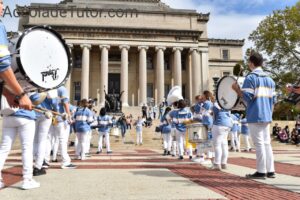
The Columbia band was first formed in 1904, originally serving as a traditional marching band that performed at football games and other athletic events. Over time it developed into a major campus identity, known for lively performances and robust student participation. It was more than a musical ensemble — it became an integral part of community building across Columbia’s sprawling Morningside Heights campus.
A Scramble Band Emerges
By the 1960s, the band had adopted a “scramble band” style — an informal, unstructured approach that favored spontaneous formations and off-beat humor over precision drill. This made the Columbia University band stand out from many other college marching bands, aligning it with a tradition of irreverent performance that resonated strongly with parts of the student body.
Known affectionately within campus circles as “CUMB” and billing itself as “The Cleverest Band in the World,” the group was often spontaneous, audacious, and provocative — gaining both fans and critics along the way.
Traditions and Campus Culture
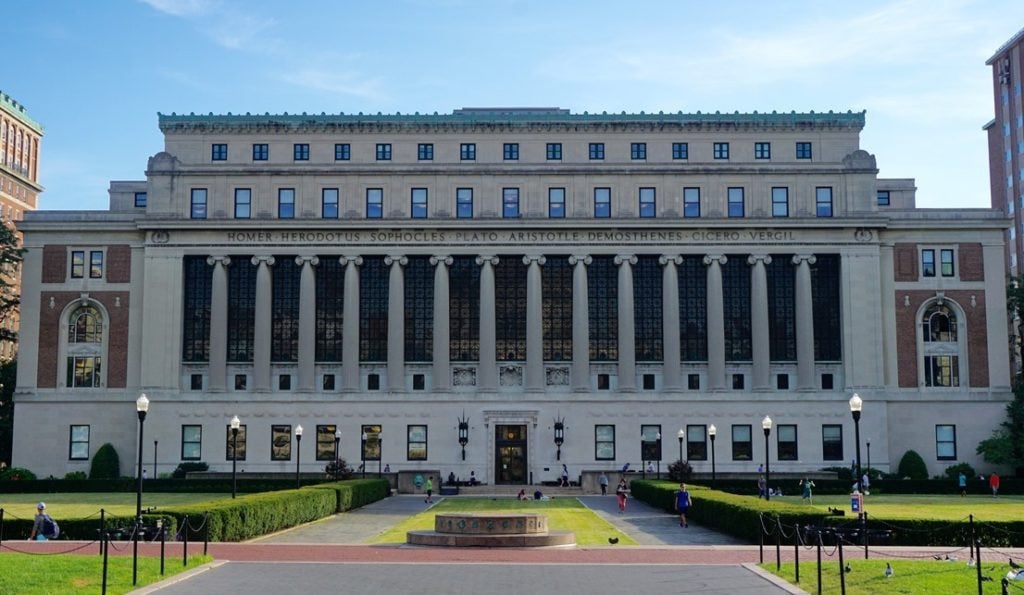
One of the band’s most memorable contributions to Columbia’s traditions was Orgo Night. On the eve of the organic chemistry final — a notoriously difficult exam — the band would take over the Butler Library at midnight and perform a blend of music and jokes, often drawing large audiences of students seeking amusement over last-minute cramming. While beloved by many students, this tradition also sparked administrative pushback for disrupting library study spaces.
These traditions were not just about music — they became cultural touchstones that many alumni still reminisce about today.
Controversies That Shaped a Reputation
Despite its creative prowess, the Columbia University band was no stranger to controversy. Its irreverent humor sometimes crossed lines, drawing criticism from university officials, athletic departments, and external groups.
In the 1960s and early 1970s, halftime shows often satirized political and social themes in ways that made national headlines. Some performances were seen as humorous, others deeply offensive, resulting in bans from certain venues or events and stirring broader debates about satire in academia.
For example, a halftime show labeled “A Tribute to Birth Control” and earlier provocative formations exemplified the band’s penchant for pushing boundaries — even when it risked backlash.
“While the Columbia University Marching Band gained many followers for its creativity, its antics often sparked significant controversy both on and beyond campus.” — Historical accounts of Columbia bands
Institutional tensions peaked in multiple decades, including sanctions by Columbia’s athletic department in the late 2010s when the marching band was barred from performing at athletic events due to procedural issues around formal recognition and funding.
Facing Modern Challenges
By 2019 and 2020, the very existence of the Columbia University band became contested. Issues surrounding the band’s internal culture — including allegations of misconduct, problematic traditions, and broader concerns about inclusivity — culminated in the band itself voting to disband in September 2020.
The leadership publicly acknowledged deep structural issues within the band’s culture and determined that attempting reform from within was insufficient. Their decision to dissolve the organization closed a chapter on over a century of music, humor, and spirited performance.
Many former members, alumni, and campus commentators reacted with complex emotions — recognizing both the band’s positive community impact and its problematic elements. This reckoning reflects a broader trend in collegiate life where tradition and accountability must align with contemporary expectations around equity and respect.

The Emergence of New Musical Life
Although the historic Columbia University band dissolved, the musical spirit of Columbia lives on.
A newer ensemble called the CU Pep Band now performs at athletic events including football games and basketball matchups. Formed in 2022, the pep band aims to bring enthusiastic music and student energy to campus functions, including performing Columbia’s iconic fight song “Roar, Lion, Roar!” alongside classic tunes and contemporary arrangements.
Unlike its predecessor, this group operates under clearer guidelines and official recognition, reflecting lessons learned from decades of Columbia’s band history.
Music Education and Campus Ensembles
Beyond marching and pep bands, Columbia’s commitment to musical excellence includes ensembles such as the Columbia University Wind Ensemble, which traces its lineage back to early 20th-century symphonic bands and has featured renowned musicians as conductors and collaborators.
This rich ecosystem of musical life — from orchestral groups to wind ensembles — ensures that opportunities remain for students to pursue performance and community engagement through sound and rhythm.
Legacy and Alumni Impact
Many alumni of Columbia’s music groups — from band members to wind ensemble leaders — have gone on to significant careers in music performance, education, and composition. Their diverse contributions highlight what makes the arts an enduring part of university life.
Studying this evolution of the Columbia University band also illustrates wider themes in student organization governance, free expression, and cultural change within higher education.
Resources & Further Exploration
For students seeking academic support to balance rigorous studies alongside extracurricular involvement, guides like Princeton University Portfolio Requirements: What You Must Know offer tips on presenting creative work — a skill that’s useful whether you’re planning a portfolio for music composition or multimedia scholarship.
Similarly, understanding how universities define elite institutions and student experiences — such as in Is Stanford University Ivy League School and Why? — provides context on how school traditions, including musical ensembles, interact with broader academic culture.
Closing Notes: The Future of Sound at Columbia
The story of the Columbia University band is one of innovation, tradition, controversy, and rebirth. While the formal march-and-scramble band no longer exists as it once did, its legacy endures in musical campus life, alumni recollections, and new ensembles that strive to unite school spirit with contemporary values.
Whether you’re a current student exploring performance opportunities or an alum reflecting on traditions like Orgo Night, the band’s history offers lessons in community, creativity, and the power of music in shaping collegiate experience.
As Columbia continues to cultivate talented musicians and spirited performers, the rhythms set by past generations will continue to influence what comes next.