Planning a trip to Stanford University in 2026? Whether you’re touring the campus for admissions, attending an academic event, or simply exploring the beauty of Palo Alto, understanding Stanford University visitor parking is essential to enjoying a smooth and stress-free experience. Stanford is massive—over 8,000 acres—so knowing exactly where to park, how much to pay, and which lots are closest to your tour destinations will save you time, money, and frustration.
You’ll discover everything you need to navigate Stanford University visitor parking like a pro in this article. From paid parking zones and permit types to weekend rules and accessible parking options, you’ll get the full breakdown for a successful Stanford campus tour 2026.
Why Visitor Parking at Stanford Matters in 2026
Stanford University attracts millions of visitors each year—prospective students, researchers, families, alumni, and tourists. With construction updates, transportation policy changes, and evolving campus accessibility standards, 2026 introduces improved parking systems designed to make the visitor experience smoother.
If you’re on a tight schedule—say, attending an admissions briefing or a campus tour session—parking availability can determine how early (or late) you’ll be. That’s why having the right information ahead of time is crucial.
Understanding Stanford University Visitor Parking in 2026
Stanford uses a digital parking system that allows visitors to purchase parking through pay stations, mobile apps, and online platforms. Gone are the days of fumbling with paper tickets—everything is streamlined and contactless.

The campus features several types of parking zones:
- Visitor Parking (V) – Pay-per-hour/public parking areas for guests.
- C Zones – Areas reserved for Stanford permit holders but occasionally available to visitors during off-peak hours.
- P Zones – Parking structures with paid visitor options.
- Limited-Time Parking – Short-term metered areas near high-traffic buildings.
Most visitor parking areas accept payment through ParkMobile, which remains the most convenient and widely used method.
Best Places for Stanford University Visitor Parking
Below are the most convenient parking locations for 2026 visitors, especially those attending campus tours or admissions events:
1. Main Quad Parking (Via Roth Way Garage)
This is the go-to spot for visitors heading toward the Main Quad, Memorial Church, or Stanford’s iconic palm-lined entrance. It offers easy access and is often used for admissions tour attendees.
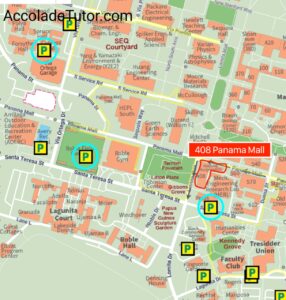
2. Stanford Visitor Center Parking (371 Santa Teresa Street)
If you’re joining an official campus tour, this is the most strategic place to park. It’s only a short walk from where tours begin.
3. Wilbur Field Garage
Great for those exploring student housing areas and dining halls. It’s also near the Athletic facilities.
4. Via Ortega Garage
Perfect for visitors exploring the School of Engineering, including the Huang Engineering Center and the Science & Engineering Quad.
5. The Oval Parking Area
A picturesque entryway to the Main Quad, though it fills up fast. Perfect for photo stops and quick visits.
Stanford Visitor Parking Rates for 2026
While prices may fluctuate slightly, Stanford’s parking rates have remained fairly predictable. For 2026, visitors can expect:
- $1.50 to $4.00 per hour depending on zone
- Daily maximum ranging from $10 to $20
- Weekend parking is mostly free—except in select permitted lots near the medical center
Payments can be made through ParkMobile or pay stations located around major parking structures.
How to Pay for Stanford Visitor Parking
Stanford University has embraced mobile-first parking systems, making the process simple and stress-free. You can pay for parking through:
- ParkMobile App – The quickest method.
- On-Site Digital Pay Stations
- Credit/Debit Card Payments

Most visitors choose ParkMobile because it allows you to extend your parking time remotely without returning to your car.
Parking Tips for Visiting Stanford in 2026
To ensure your campus tour is as smooth as possible, keep these tips in mind:
1. Arrive Early
Visitor lots fill up quickly, especially during peak seasons like spring and early fall. Aim to arrive 30–45 minutes before your scheduled tour.
2. Use the Campus Map
Stanford has a detailed interactive map to help navigate buildings and parking zones. This is extremely helpful if it’s your first time on campus.
3. Watch for Event Days
During large conferences, move-in periods, or football games, parking availability changes drastically.
4. Check for Construction Updates
Stanford frequently updates transportation routes. Always review the latest news on their official site before driving in.
5. Consider Public Transit
Caltrain and Stanford’s free Marguerite Shuttle make campus access easy without worrying about parking.
Visitor Parking for the Stanford Campus Tour 2026
Most campus tours start near the Stanford Visitor Center, so you’ll want to choose parking in that area. The center offers clear signage, friendly student guides, and easy access to the core academic grounds.
Your expected walking distance from nearby garages ranges between 3 to 10 minutes. For families with seniors or young children, closer parking near the Main Quad may be preferable.
Where Not to Park When Visiting Stanford
Some areas may seem tempting but are off-limits to visitors:
- Residential zones (strictly for student permits)
- Medical Center Parking except for patients and authorized visitors
- Faculty & Staff lots during normal business hours
- Loading zones or any areas marked “Reserved”
Violators are subject to fines—Stanford enforces parking rules strictly.
Accessible Parking for Disabled Visitors
Stanford University is highly committed to accessibility. Visitors with legal disability placards can access:
- Designated ADA parking spaces across campus
- Free parking in metered spaces (time limits may still apply)
- Easy access spots near the Visitor Center and Main Quad
Be sure to display your placard visibly to avoid citations.
Is Overnight Visitor Parking Allowed at Stanford?
Stanford generally does not allow overnight parking for regular visitors unless special arrangements are made. Some parking structures may offer limited overnight options, but they require permits.
For official overnight permissions, you should contact Stanford Transportation ahead of your visit.
Campus Places You Can Explore After Parking
Once you’ve secured your parking spot, enjoy exploring some of Stanford’s world-famous attractions:
- Main Quad – The heart of Stanford’s academic life
- Hoover Tower – Iconic landmark with panoramic views
- Memorial Church – Stunning architecture and history
- Cantor Arts Center – Free museum with world-class exhibits
- Stanford Bookstore – A great place for merchandise and souvenirs
These attractions are all within walking distance of major visitor parking zones.
Final Thoughts: Making the Most of Stanford University Visitor Parking
When visiting Stanford University in 2026—whether for a campus tour, academic appointment, or leisure—understanding the Stanford University visitor parking system will make your trip seamless. The campus is huge, beautiful, and rich with history, so the last thing you want is parking stress overshadowing your experience.
Arrive early, plan ahead, follow parking guidelines, and you’ll enjoy everything Stanford has to offer without any hassle.
Helpful Links
If you need more campus-related guides, feel free to ask via the comment section below or follow our WhatsApp Icon on this page.