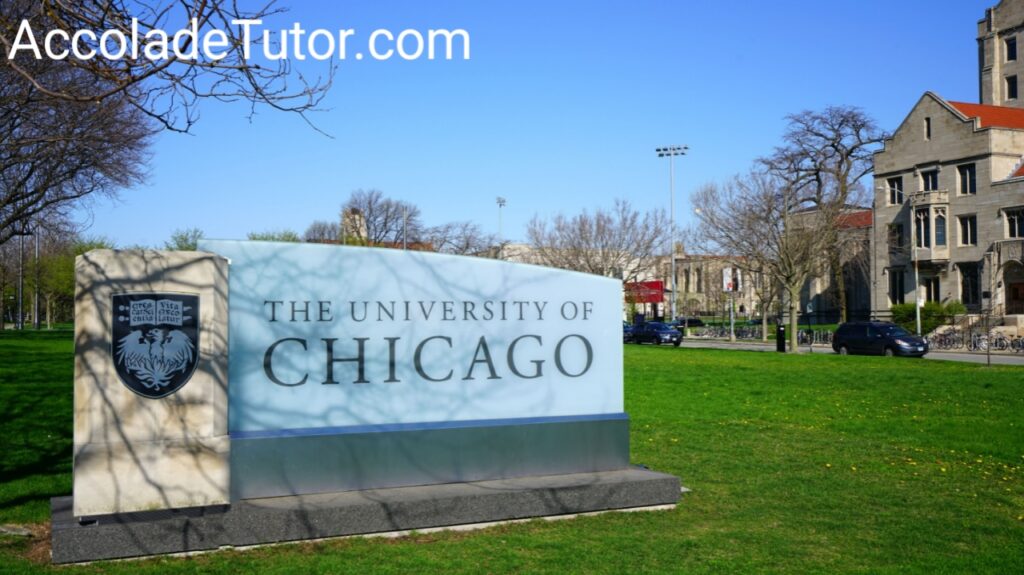
Thinking about “university of chicago essay topics”? The University of Chicago (UChicago) is well-known not just for academic excellence, but for its legendary essay prompts — deeply creative, intellectually curious, and designed to spark original thinking. Admissions officers use these essays to understand how you think, not just what you think.
Why UChicago’s Essay Topics Matter
Universities deploy essays to see beyond your grades and test scores. At UChicago, the supplemental essays are a required — and distinctive — part of the application process. These prompts are intentionally unusual, offering a rare chance to showcase your personality, perspective, and intellectual flair.
Successful applicants don’t just answer the question — they craft narratives that reveal who they are, how they think, and why they’re a fit for UChicago’s academic culture. With the right approach, you can turn what might initially seem weird or abstract into a compelling expression of your identity.
Overview: The Core UChicago Essay Topics
Every applicant must complete two essays:
- Main Essay: A traditional “Why UChicago?” style response about why you want to attend the university.
- Extended Essay: A creative essay that requires you to choose from several unique prompts each admissions cycle.
Main Essay Question
The first required question asks you to explain how the University of Chicago satisfies your academic, personal, and community goals as you currently understand them. This is a chance to be specific — don’t just list reasons. Connect your background, intellectual curiosity, and long-term goals to UChicago’s programs, research, or culture.
Extended Essay Topics
The Extended Essay at UChicago sets it apart from most other colleges. These prompts change yearly — often wildly so — and encourage creative thought. Here are some examples of essay options you might encounter:
- Invent a new unit of measurement, explain how it works and why it matters.
- “Caught purple-handed”: Reinterpret a color-infused expression in a fresh way.
- Explore a contronym — a word that means its own opposite — and relate it to your experience.
- Contemplate an object the world is phasing out that shouldn’t disappear.
- Invent a spurious correlation and explain why it might have deeper meaning.
These example topics show how varied UChicago prompts can be: from playful (“Give a new hue to a color expression.”) to philosophical (“Explore the tension within a contronym.”) The key is that your response should feel authentic, intellectually genuine, and reflective of your creative thinking.

How to Brainstorm University of Chicago Essay Topics
Here’s a step-by-step approach that goes beyond generic brainstorming exercises:
1. Identify Your Narrative Arc
Great essays, no matter the prompt, tell a story. Think about your experiences — especially ones that have challenged your assumptions, revealed something about your character, or reshaped your worldview. What story only you can tell? How might that intersect with one of the prompts?
2. Analyze the Prompt Before You Answer
Read your chosen topic several times. Break it into parts:
- What is the literal question?
- What metaphorical or symbolic dimension could it hold?
- How might it connect to your background or aspirations?
For example, a prompt about “uninventing” something isn’t just an exercise in critique — it’s an opportunity to show how you think about progress, loss, and consequences.
3. Be Specific About Your Intentions
Admissions readers want to see concrete detail. For the “Why UChicago?” essay, mention specific programs, faculty, research facilities, or campus traditions that resonate with you. That depth demonstrates true interest and shows you’ve done your homework.
Writing Strategy: Structure That Captivates
A strong essay has a structure that supports clarity and voice:
- Engaging Hook: Start with an unexpected image, question, or observation that draws the reader in.
- Context and Reflection: Provide context for your story or thought process. What’s at stake? Why does this matter to you?
- Connection to UChicago: Bridge your personal insight with what UChicago values — whether that’s rigorous inquiry, interdisciplinary thinking, or creative exploration.
- Concluding Insight: Leave your reader with a resonant point that ties your experience and the prompt’s spirit together.
For example, a prompt that asks why you’d “uninvent” something might start with an anecdote, expand into a thematic reflection, and then connect to how that mindset aligns with UChicago’s intellectual culture.

What to Avoid When Choosing Essay Topics
Some pitfalls can weaken even the most creative concept:
- Generic Topics: Avoid topics that could apply to any school’s essay — UChicago wants to know why specifically you fit here, not just why you like college in general.
- Overused Ideas: Avoid clichés like travel narratives that don’t include reflection or personal growth. Focus instead on depth, not surface.
- Ignoring the Prompt’s Nuances: Don’t force a story to fit a prompt. Let the prompt guide your insight, not constrain it.
Resources to Help You Prepare
If you need additional guidance as you draft and refine, check out:
- Official University of Chicago Essay Requirements & Prompts — direct source for the current prompts and word limits.
- Yale University Essay Prompts (comparative insight) — helpful when you’re writing for multiple schools.
- University Of Chicago Early Decision Acceptance Rate — covers essays in the context of admissions competitiveness.

Final Tips: Make Your Essays Memorable
UChicago essay topics offer you rare freedom — don’t shy away from unconventional ideas. But originality must be paired with introspection. Choose topics that illuminate your thought process and values. And remember: quality over length. A concise, vivid essay that expresses deep insight will outperform a longer, unfocused one every time.
Whether you’re exploring a prompt about a contronym, a quirky hypothetical, or simply articulating why UChicago is your academic home, structure your essay around authentic reflection and clear voice. That’s the secret to moving from a good essay to a truly unforgettable one.
Ready to write? Start by journaling potential story ideas. You may be surprised which themes naturally emerge as you reflect.