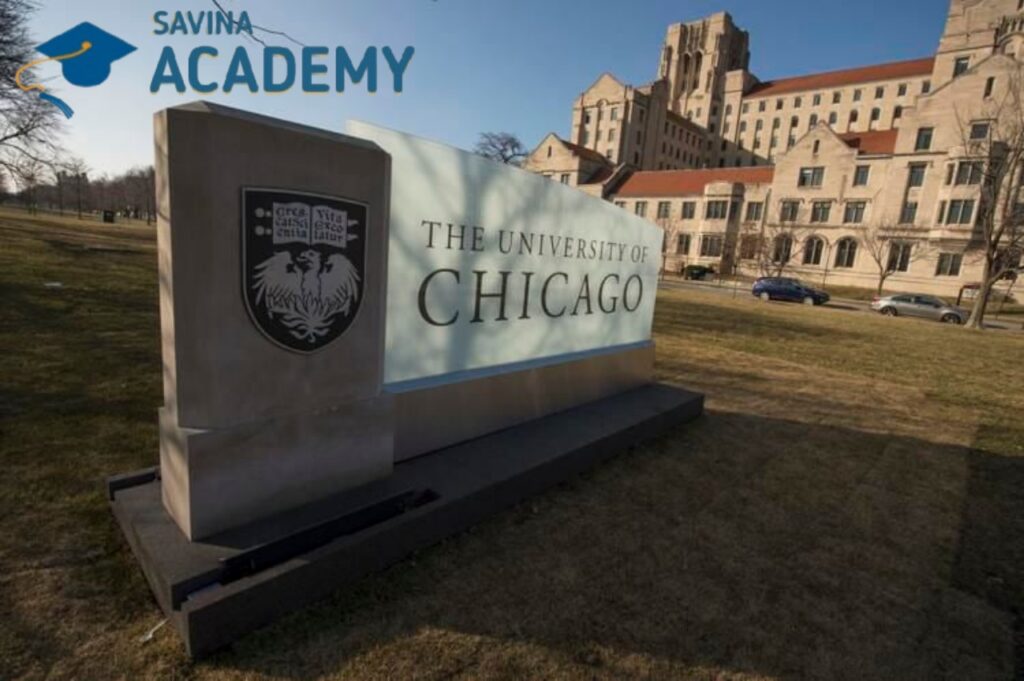
Being placed on the University of Chicago waitlist can leave prospective students feeling uncertain — hopeful but unsure of what comes next. For many ambitious applicants, UChicago represents an elite academic community where rigorous scholarship, intellectual curiosity, and bold perspectives thrive. But acceptance — even to the waitlist — brings both opportunity and ambiguity.
Unlike a flat rejection or a direct acceptance, the waitlist signals that admissions officers see promise in your application but currently lack space in the admitted class. Below, you’ll learn how the waitlist functions, what influences whether you’ll be admitted, how to respond strategically, and how to balance your options effectively.
1. What Does Being on the Waitlist Mean?
The waitlist at the University of Chicago (UChicago) is essentially a backup roster of qualified applicants who were not initially offered a place in the first round of admissions. These candidates may be reconsidered later as accepted students decide whether to enroll — a process that naturally evolves throughout the spring and summer months.
Admissions offices use waitlists to ensure they fill their incoming class while maintaining diversity, program balance, and institutional priorities. According to official UChicago admissions FAQs, students aren’t ranked on the waitlist — all are held in a pool and reviewed based on emerging openings and institutional needs.
That means your position on the waitlist doesn’t function like a numbered queue; you won’t know where you “stand” relative to other candidates. Instead, admissions officers look holistically at each candidate as opportunities arise.

2. Why Does UChicago Have a Waitlist?
Highly selective universities — especially those with strong yield rates — often use waitlists to balance their enrollments. UChicago’s selectivity has intensified over the years, with acceptance rates dropping significantly amid rising applications and applicant quality.
Because so many admitted students ultimately accept offers (known as the “yield rate”), admissions officers often cannot predict exactly how many seats will remain after May 1 — the national college decision deadline. A waitlist helps the institution adjust to late changes and secure a full, well-rounded incoming class.
The university may revisit its waitlist throughout late April, May, June, and even into the summer as some admitted students change plans or withdraw entirely. Admissions offices may reach out to confirm if you still want to remain on the waitlist and update them on any accomplishments.
3. Does UChicago Publish Waitlist Acceptance Statistics?
The short answer: no — UChicago does not publicly share exact waitlist acceptance statistics. They are not reported in the Common Data Set (CDS) or official admissions numbers for incoming classes.
This lack of published data means that while some students will earn admission from the waitlist, you can’t find a reliable percentage or historical chart illustrating annual waitlist admissions. Many reputable college guidance sources emphasise that a high yield rate correlates with fewer waitlist openings — simply because more admitted students commit each year.
In practical terms, this means that fewer than a handful of spots typically open up — and in high yield years, admit offers could be minimal or even zero. Some applicants have reported seeing movement in April, but others heard little until late spring.
4. Timeline: When Do Waitlist Decisions Happen?
The University of Chicago doesn’t provide a fixed schedule for waitlist notifications each year. But here’s a general pattern based on admissions office behaviours and applicant reports:
- Mid-April to May: The first round of waitlist decisions often occurs as admitted students decline offers by the May 1 national deadline.
- Late May to June: Additional movement may happen if students continue to adjust plans.
- Summer months: In some years, late offers occur as final enrollments stabilize.
In all cases, you must stay responsive and check your applicant portal and email regularly if you remain on the waitlist. Your admissions account will show instructions for confirming that you want to stay on the waitlist, which is essential to be considered.
5. How to Respond After Getting Waitlisted
Once you’re waitlisted, taking thoughtful steps can help you present yourself in the strongest light — without overloading admissions officers:
a. Accept Your Spot Promptly
If UChicago gives you the option to “opt-in” or confirm your waitlist spot, do this as soon as possible — but only if you truly want to remain under consideration. If you don’t confirm by the deadline, you’ll usually be removed from the waitlist.
b. Send a Letter of Continued Interest
A carefully crafted letter of continued interest (LOCI) can remind admissions officers why you’re an excellent fit. Keep it concise, updated, and focused on what’s changed since your application — awards, new achievements, or academic growth. Avoid generic repetition of your resume.

c. Update Your Application Thoughtfully
If you have new accomplishments — such as a leadership role, academic recognition, or significant project outcomes — consider sharing them. Only include materials UChicago explicitly requests or that clearly strengthen your case.
d. Maintain Professional Communication
Direct, respectful engagement with admissions staff — especially your regional counselor — can demonstrate your sustained interest. Short emails that reaffirm your commitment (without pleading or exaggeration) are more impactful than long narratives.
6. What Not to Do on the Waitlist
Some common mistakes applicants make include:
- Sending generic or repetitive emails — Admissions teams review hundreds of messages and will focus on substance over volume.
- Overloading with unsought materials — Unless requested, don’t send extra essays, recommendations, or portfolios.
- Refraining from over-contacting the office — Excessive messages rarely help and can come across as pressure.
7. Balancing Your Options: The Importance of Backup Plans
Since waitlist outcomes are unpredictable, experts recommend securing a solid backup plan. That means accepting an offer at another university you’d be happy attending and meeting their deposit deadlines. Many applicants treat the waitlist as a hopeful possibility rather than a guaranteed gateway to UChicago.
Consider exploring programs that align with your goals, even while you wait — whether that’s scholarships, internship offers, gap year opportunities, or early academic enrichment. That way, whatever the result, you advance your academic journey without delay.
8. Frequently Asked Questions About UChicago’s Waitlist
• Is the University of Chicago waitlist ranked?
No — the waitlist is not ranked. Admissions officers do not assign numerical positions, and movement depends on available space and the class needs.
• Does being waitlisted mean I’m close to admission?
Not necessarily. It means your application showed promise — but due to limited space, UChicago couldn’t admit everyone it liked. Movement varies widely year by year.
• Will they admit from the waitlist after May 1st?
Yes, admissions sometimes extend offers even after May 1 as seats open up later in the spring and summer. Past applicants have reported such movement — though it’s not guaranteed.
9. Beyond the Waitlist: Additional Resources & Tips
Thinking broadly about your goals — academic, personal, and professional — can help you stay grounded during uncertainty. If you want to deepen your understanding of UChicago’s admissions trends and data, check out the University of Chicago Common Data Set explained, which sheds light on admissions characteristics and institutional metrics.
And if you haven’t yet planned the rest of your applications or offers, you might find value in exploring related guides such as University of Chicago application dates & deadlines — a practical way to time submissions and decisions.
Each applicant’s path is unique. Some will move off the waitlist and celebrate an unexpected admission; others will grow through other excellent academic opportunities. Whatever your outcome, clarity, resilience, and strategy will help you land where you belong.