Columbia University is one of the world’s most highly regarded institutions of higher learning, known for its intellectual rigor, historical depth, and vibrant community. But what makes Columbia University unique compared to other prestigious universities in the United States and around the globe? In this post, we’ll explore the key characteristics that distinguish Columbia’s academic offerings, campus environment, research excellence, and cultural impact.
Located in the Heart of New York City
One of the most remarkable features that contributes to what makes Columbia University unique is its urban campus setting in Manhattan’s Morningside Heights neighborhood. The university’s address at 116th Street and Broadway places students at the crossroads of culture, business, global diplomacy, and creativity — a connectivity rarely matched by other elite institutions.
This urban integration lets students engage with world-class museums, performance venues, nonprofits, and multinational corporations just steps from classrooms. Whether attending a lecture by a Nobel Laureate at Columbia or taking the subway downtown for an internship, students live and learn in a city that functions as a constantly unfolding classroom.
A Rich Historical Legacy and Architectural Grandeur
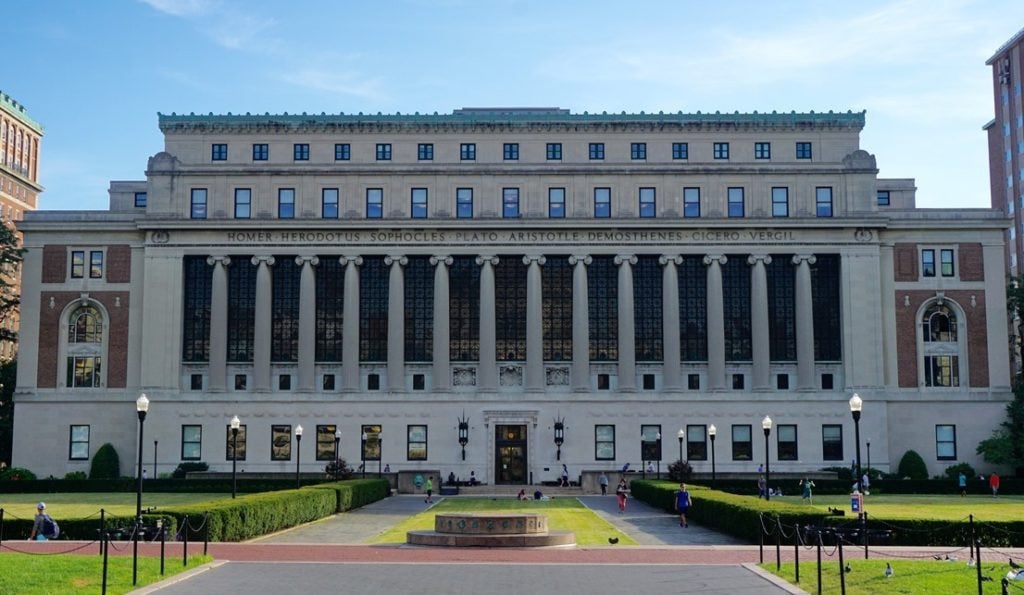
Columbia’s history stretches back to its founding in 1754, making it the fifth oldest institution of higher education in the United States. Its iconic buildings, including Low Memorial Library — not just architecturally striking but symbolic of the institution’s mission — give the campus a sense of timeless gravitas.
The mix of classical architectural styles — Beaux-Arts, Renaissance, and Neo-Gothic — reflects Columbia’s commitment to preserving tradition while advancing modern academic inquiry. Walking through campus feels like moving through a living museum, where every hall and plaza embodies decades of academic achievement.
Core Curriculum: A Shared Intellectual Foundation
Among the most distinctive components of Columbia’s undergraduate experience is its celebrated Core Curriculum. This set of foundational courses in literature, philosophy, history, and the arts does more than teach content — it creates a shared intellectual experience for students from different majors and backgrounds.
The Core fosters deep engagement with canonical texts, rigorous debate, and peer collaboration in ways that few other universities replicate. Many students cite this shared academic journey as a defining part of their experience, helping to form lifelong networks and a cohesive community united by intellectual curiosity.
Research Excellence and Interdisciplinary Innovation
Columbia’s research ecosystem elevates its global reputation. Across fields ranging from climate science to medicine and public policy, it has cultivated initiatives that push boundaries. Consider the Columbia Climate School, which brings together diverse disciplines — from finance to environmental science — to address pressing challenges like climate change.
Furthermore, Columbia’s tradition of interdisciplinary inquiry is evident in its various institutes and initiatives. For example, specialized centers such as the Weatherhead East Asian Institute support expert scholarship while connecting students with global research communities.
Another unique example is Columbia’s vibrant hackathon culture — events where students collaborate intensively to build real solutions in fields like healthcare and technology. These fast-paced competitions reflect the university’s broader culture of combining academic rigor with real-world impact.
Diverse Student Body and Global Perspectives
Part of what makes Columbia University unique is its international scope. Students from every continent bring different viewpoints and cultural experiences to campus life. Columbia’s global reach extends to its signature programs that emphasize international affairs, global health, and cross-cultural exchange.
This diversity is not just demographic — it’s intellectual. Whether in classrooms or student organizations, diversity of thought enhances dialogue and prepares graduates for careers in a deeply interconnected world.
Tradition Meets Innovation in Campus Culture
Columbia balances long-standing traditions with a progressive spirit. From the traditional Tree Lighting Ceremony in winter to spirited student service events and performing arts showcases, campus life blends celebration with scholarly purpose.
Meanwhile, close partnerships with neighboring Columbia affiliates — such as Barnard College — expand the academic and social landscape for students, allowing for greater choice in coursework and community engagement. These partnerships further extend Columbia’s influence beyond its own enrolled population.
Professional Opportunities and Career Development
Another hallmark that contributes to what makes Columbia University unique is the seamless connection between academics and professional pathways. Columbia’s location in New York City provides students with access to internships, media companies, financial institutions, tech startups, nonprofit agencies, and international organizations — all within commuting distance.
The alumni network — spanning fields such as journalism, law, medicine, and the arts — is another invaluable asset. Graduates tap into these connections for mentorship, career advice, and leadership opportunities that open doors long after commencement.
A Culture of Public Engagement and Impact
Columbia does not exist in an academic vacuum. Faculty and students frequently engage with public discourse and global issues. Lectures, forums, and panels bring world leaders and thinkers to campus to address complex problems, from climate policy to human rights. These events reflect Columbia’s role as a convener of ideas that matter beyond its campus boundaries.
For instance, Columbia’s involvement in public health research has longstanding influence through institutions such as the Herbert Irving Comprehensive Cancer Center, which integrates clinical care with pioneering cancer research.
Commitment to Accessibility and Academic Support
Columbia’s admissions and support systems reflect a commitment to attracting and empowering promising minds worldwide. Its competitive admissions statistics showcase the institution’s selectivity — but beyond that, scholarship programs and support services help ensure students can thrive once admitted.
Resources like the Columbia University directory simplify navigation of academic and administrative support systems, helping students and researchers alike find the right contacts and services for their needs.
What Some Critics Say (Balanced Perspective)
No university is without controversy or criticism, and Columbia is no exception. Discussions about campus climate, labor practices, and free expression have emerged — reflecting broader debates within higher education and society at large. Whereas supporters point to Columbia’s role in fostering critical thinking and public engagement, critics sometimes highlight challenges related to administrative decisions and campus dynamics. What matters is that such conversations — even when contentious — underscore the institution’s status as a lively arena for ideas and debate.
This dynamic is a byproduct of Columbia’s emphasis on pushing students to think for themselves and to engage with difficult questions.
Conclusion: The Essence of Columbia’s Appeal
So, what truly makes Columbia University unique? It’s the synthesis of tradition and innovation, urban access and academic depth, global perspectives and personalized mentorship. Columbia’s ability to cultivate intellectual curiosity while linking students to impactful career trajectories is what continues to attract ambitious learners from around the world.
From its historic campus in New York City to groundbreaking research and rich cultural experiences, Columbia stands apart as an institution where opportunities multiply through engagement, inquiry, and exploration.
Further Reading
- Butler Hall at Columbia University — insights into campus landmarks and housing.
- Columbia University Hackathon — an example of innovation culture at Columbia.
- Columbia University Directory — how to navigate essential contacts and resources.