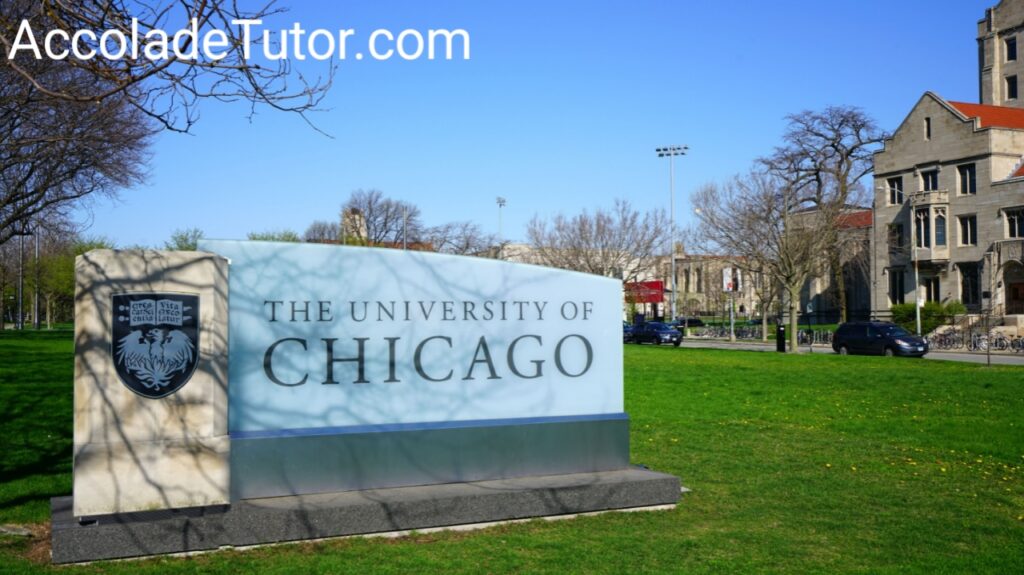
The University of Chicago (UChicago) is one of the most prestigious and intellectually challenging universities in the world, known for its rigorous academics and highly selective admissions. Earning a spot here requires careful preparation and a thorough understanding of all admissions requirements — from academic credentials and test policies to essays and deadlines.
How Competitive Are UChicago Admissions?
The admissions landscape at the University of Chicago is extremely selective. Recent data shows the acceptance rate has dropped to under 5%, reflecting how competitive applicants must be to earn a place in the incoming class.
A holistic review process means UChicago evaluates students on their full profile — academic history, essays, extracurriculars, recommendations, and more.
Core Academic Requirements
High School Performance (Undergraduate)
UChicago does not publish an official minimum GPA, but admitted students traditionally have very strong academic records. Most successful candidates have GPAs near the top of their class, with challenging coursework (AP, IB, honors) strengthening applications.
Consistent grades across multiple years — especially in core subjects like English, math, and sciences — signal academic readiness.
Standardized Testing Policies
One of the most important elements to understand in University of Chicago requirements is its testing stance. UChicago operates a test-optional policy, which means students may choose whether to submit SAT or ACT scores. These scores are not required for admission, but when submitted, they can still positively influence a committee’s decision.
Although optional, historical data reflects middle 50% SAT ranges around 1510–1570, indicating the competitive nature of applicants who do choose to submit scores.

English Language Proficiency (International Applicants)
If you are an international applicant whose first language is not English, proof of English proficiency may be expected. Acceptable tests often include TOEFL iBT or IELTS Academic, and specific minimum scores might be required depending on the program and unit of study.
Some programs waive this requirement if you demonstrate sufficient English communication ability through prior schooling or other criteria.
Application Components You Must Prepare
Whether you’re applying as a freshman or for a graduate program, the University of Chicago requires several essential materials as part of your application.
Transcripts and Academic Records
Applicants must upload transcripts from all previously attended schools. These should reflect your full academic history, including grade reports. Official documents may only be required upon admission and enrollment.
Letters of Recommendation
UChicago typically requires two to three recommendations, depending on the level of study. For undergraduate applications, these often come from teachers who can speak to your academic abilities and character. For graduate program applicants, professional and academic references are strongly encouraged.
Essays and Personal Statements
A crucial part of the University of Chicago requirements is essays. UChicago’s essay prompts are known for their creativity and depth, designed to surface your intellectual curiosity, writing ability, and personal story. Essays allow admissions officers to view applicants as individuals beyond test scores and GPAs.
Ensure your essay responses are thoughtful, original, and aligned with your motivations for choosing UChicago. These are often the most memorable parts of an application packet.
Resume or Curriculum Vitae (Graduate)
For graduate programs, an updated CV is often requested to summarize your academic and professional experience, research engagements, publications, or work history. This gives a snapshot of your preparedness for advanced study.
Statement of Purpose
Applicants at the graduate level typically write a detailed Statement of Purpose outlining their research goals, academic interests, and fit with the program. This is essential for PhD and many master’s programs.

Understanding Deadlines and Timelines
Meeting deadlines is a fundamental aspect of the University of Chicago application process. Dates vary by program and admission cycle, but for most undergraduate applicants:
- Early Decision I & Early Action: Usually early November.
- Early Decision II & Regular Decision: Typically early January.
Missing deadlines can jeopardize your chance of being reviewed — so it’s critical to plan and submit materials ahead of time.
Final Tips for Aspiring Applicants
Highlight Academic Rigor
Taking the most challenging courses available at your school — and doing well in them — is one of the most powerful ways to strengthen your application.
Prepare Strong Supplements
Your essays, short responses, or creative components give you the chance to showcase who you are beyond grades. Use them strategically to reflect your voice and perspective.
Showcase Leadership & Extracurriculars
Admissions committees value depth in extracurricular involvement — not just numbers. Leadership roles, meaningful projects, and a clear narrative of your interests will help your application stand out.
Learn More and Continue Your Preparation
If you’d like to explore specific aspects of University of Chicago admissions further, these resources may help:
- University Of Chicago SAT Requirements – Understand how test scores fit into the overall admissions review.
- University of Chicago Application Dates 2026 – Never miss a deadline and plan strategically.
- University of Chicago Common Data Set – A deeper data-driven look at admitted student profiles and institutional trends.
Finally, don’t forget to consult the official UChicago application pages directly for the most current guidance and requirements. For example, the University’s admissions portal provides detailed checklists and submission instructions for all applicants.
Applying to the University of Chicago is demanding but deeply rewarding. With structured preparation and authentic representation of who you are, you can meet the University’s expectations and put forward a compelling candidacy.